
Cartilage Damage Treatment in Ahmedabad
Protecting the Smooth Surface That Keeps Your Knee Moving Comfortably
Understanding Cartilage Damage Because Small Damage Today Can Affect Tomorrow's Movement
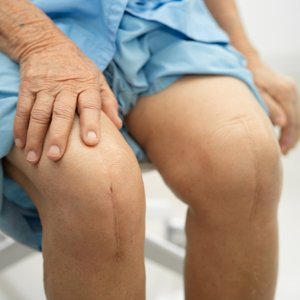
Joint Preservation
Treatment focuses on protecting healthy cartilage whenever possible to maintain long-term knee function.
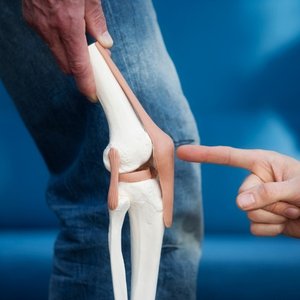
Precision Assessment
Every cartilage injury is carefully evaluated to understand its severity and any associated knee damage.
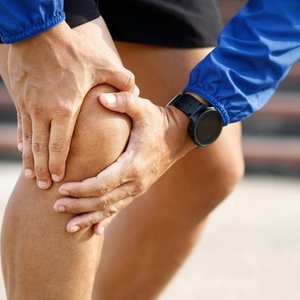
Function First
Recovery is designed to restore smooth knee movement while supporting long-term joint health.
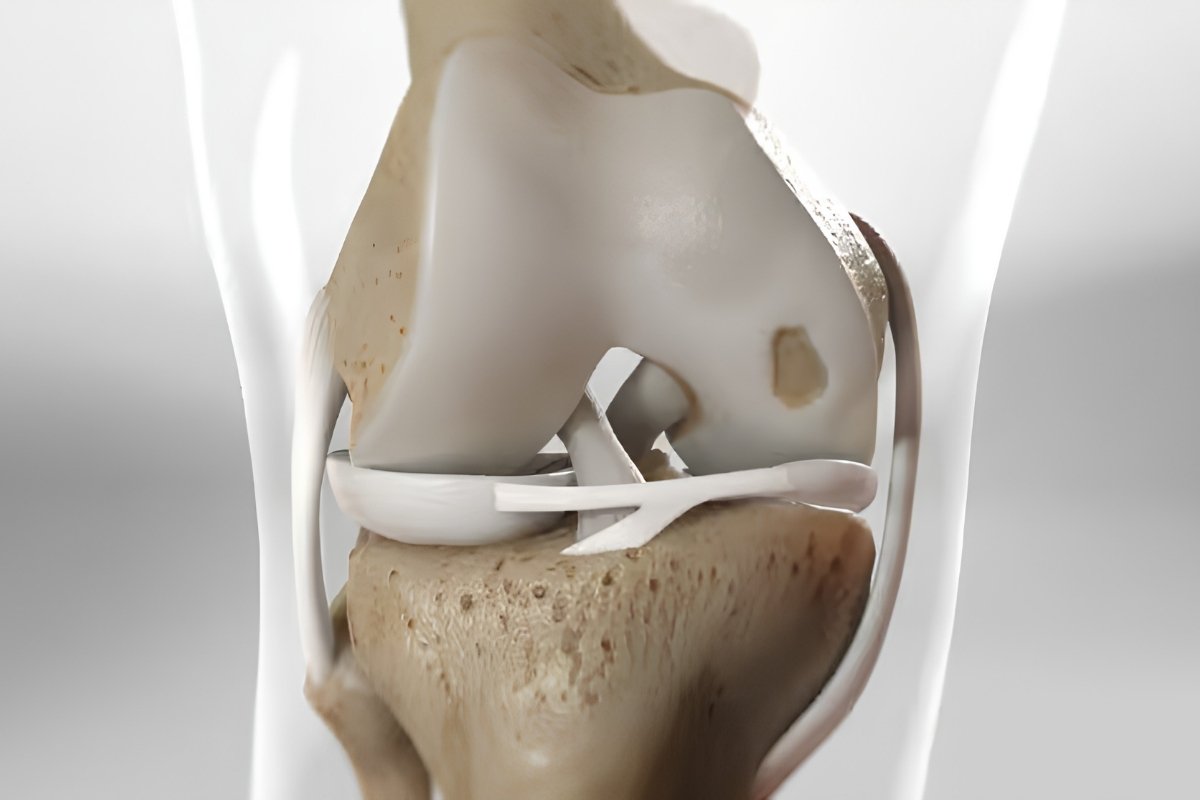
Understanding
When the Knee's Protective Surface Is Injured
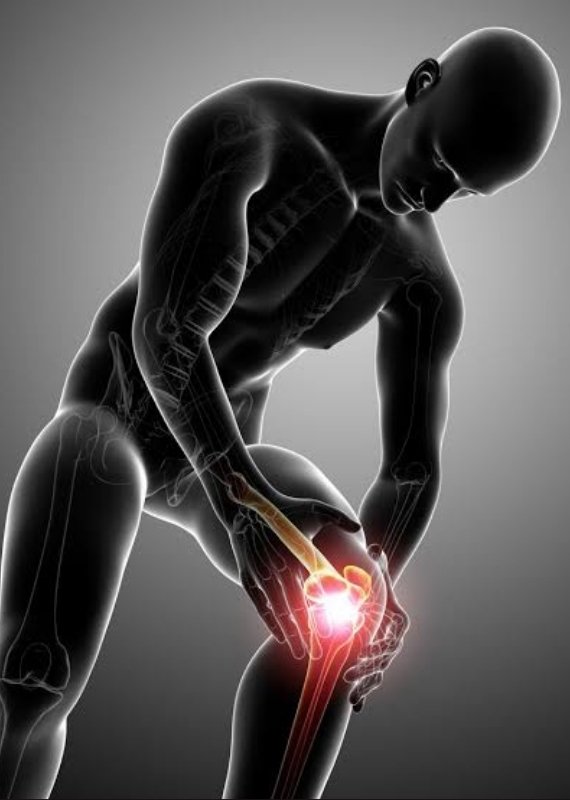
Articular cartilage is the smooth tissue that covers the ends of the bones inside the knee joint. It reduces friction and absorbs impact during walking, running, and everyday movement. Cartilage damage may develop after a sports injury, accident, repeated stress, or gradual wear over time. Because cartilage has a limited ability to heal naturally, untreated injuries may progress and contribute to early arthritis.
Seeking timely Cartilage Damage Treatment in Ahmedabad helps identify the extent of the injury and determine whether conservative care, arthroscopic procedures, or cartilage restoration techniques offer the best opportunity to preserve the knee joint.
Early Treatment Can Help Preserve the Joint
Not every cartilage injury requires surgery. Smaller or less severe defects may improve with activity modification, rehabilitation, and symptom management. Early diagnosis often provides more treatment options before the damage becomes more extensive.
Risk Factors
How Does Cartilage Damage Occur?
Sports Injuries
Twisting movements, sudden impacts, or high-energy sports injuries can damage the cartilage surface.

Falls & Direct Trauma
A significant impact to the knee may injure the smooth cartilage lining within the joint.
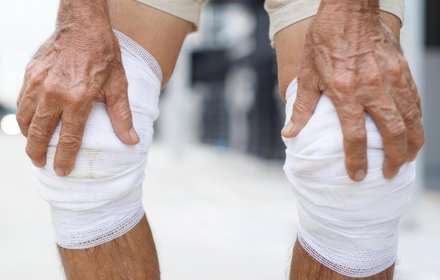
Repeated Joint Stress
Repetitive high-impact activities can gradually contribute to cartilage wear over time.
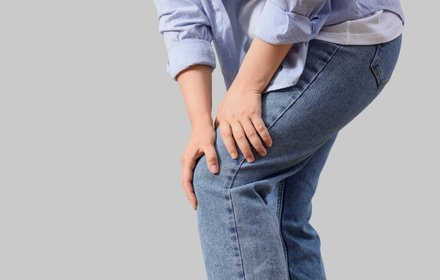
Associated Knee Injuries
ACL tears, meniscus injuries, and knee instability can increase the risk of cartilage damage.
WARNING SIGNS
Could Your Knee Be Signalling Cartilage Damage?
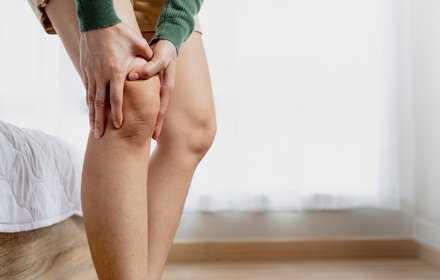
Cartilage injuries often cause symptoms that become more noticeable during activity. Recognizing these early changes can help prevent further joint deterioration.
Pain During Activity
Swelling After Use
Catching or Locking
Grinding Sensation
Reduced Knee Movement
Difficulty with Sports
Accurate Diagnosis
Looking Beyond the Surface
Clinical Examination
Joint movement, swelling, tenderness, alignment, and knee stability are carefully evaluated.
MRI Assessment
MRI helps identify cartilage defects while assessing the meniscus, ligaments, and surrounding joint structures.
Treatment Planning
The size, depth, location, and cause of the cartilage injury guide the recommended treatment approach.

Care
Non-Surgical Cartilage Care
Selected patients may benefit from activity modification, physiotherapy, muscle strengthening, weight management, medication, and appropriate injections to reduce symptoms and improve knee function.
Healing
Cartilage Preservation & Arthroscopic Treatment
When symptoms persist or cartilage damage significantly affects knee function, arthroscopic surgery may be recommended. Depending on the condition, treatment may include cartilage preservation procedures, removal of unstable cartilage fragments, or cartilage restoration techniques whenever clinically appropriate.
TRUSTED CARE
The Expertise Behind Every Shoulder Repair
Gold Medalist
Recognized for academic excellence with a strong foundation in evidence-based orthopaedic care and surgical precision.
International Training
Switzerland-trained expertise bringing modern techniques and global perspectives to shoulder and knee treatment.
Award-Winning Care
Recipient of the Best Shoulder and Knee Surgeon in Gujarat award, reflecting dedication to clinical excellence.
Patient-First Approach
Thoughtful guidance, transparent communication, and personalized treatment focused on achieving the best possible outcomes.
EXPERT GUIDANCE
If your knee continues to hurt, swell, or catch during movement, early evaluation can identify cartilage injury before it causes more extensive damage to the joint.
Focused on Preserving the Knee, Not Just Treating the Pain
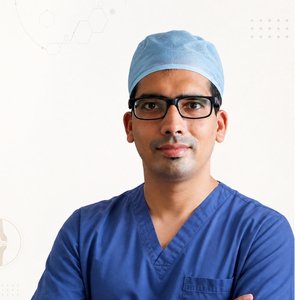
Every cartilage injury requires a careful balance between relieving symptoms today and protecting the knee for the future. Dr. Vijay Bang evaluates the condition of the entire joint before recommending treatment, helping patients choose the most appropriate option based on the extent of cartilage damage and their activity goals.
Expertise in Cartilage Injuries
Experienced in managing traumatic, sports-related, and degenerative cartilage injuries affecting the knee joint.
Advanced Arthroscopic Techniques
Minimally invasive arthroscopic procedures help assess cartilage damage accurately while treating associated knee conditions through small incisions.
Joint Preservation Approach
Whenever clinically possible, treatment aims to preserve healthy cartilage and delay progressive joint degeneration.
Recovery Guided by Function
Rehabilitation focuses on restoring smooth knee movement, rebuilding muscle strength, and supporting a gradual return to everyday activities.
EXPERIENCES
Patient Experiences & Recovery Stories
Persistent knee pain during sports turned out to be cartilage damage. Dr. Vijay Bang explained the condition clearly and helped me choose the right treatment. My knee feels much stronger today.
I had been experiencing swelling after every long walk. The evaluation was thorough, and the rehabilitation plan gradually helped me regain comfortable movement.
The arthroscopic procedure was explained in detail before surgery. Recovery was well structured, and I was able to return to my daily routine with much greater confidence
I appreciated the honest advice and clear communication throughout my treatment. My knee movement has improved, and the pain has reduced significantly
Frequently Asked Questions
This section answers frequent concerns about symptoms, diagnosis, treatment decisions, and recovery.
Joint cartilage has a limited ability to heal naturally. Small injuries may be managed without surgery, but larger defects often require specialist evaluation to determine the most appropriate treatment.
Diagnosis includes a detailed clinical examination along with MRI, which helps assess the size, location, and severity of cartilage injury while identifying associated knee conditions.
No. Many patients improve with physiotherapy, activity modification, strengthening exercises, medication, and selected injections. Surgery is considered when symptoms persist or the cartilage injury significantly affects knee function.
Arthroscopy is a minimally invasive procedure that allows the surgeon to examine the knee joint and treat cartilage injuries through small incisions using specialized instruments.
Yes. In some patients, progressive cartilage loss may increase friction inside the joint and contribute to the gradual development of knee arthritis over time.
Let’s Plan Your Care
Make an appointment
Reach out to understand your condition, explore the right care pathway, and receive guidance designed around your needs. Our team is here to help you take the next step with clarity and confidence.
Saraswati Multi-speciality Hospital & Trauma Center
Near Shivalik Satyamev, Vakil Saheb Bridge, Sardar Patel Ring Rd, Bopal, Ahmedabad, Gujarat 380058
Opening Hours
Mon-Sat
10:00 am-07:00 pm
Emergency 24/7
Contact
Phone:
081292 72101
Email: vbrbang@gmail.com