
Frozen Shoulder Treatment in Ahmedabad
Helping You Regain Shoulder Movement Without Living With Stiffness
Frozen Shoulder Care Because Every Stiff Shoulder Has a Different Story

Treatment focuses on improving shoulder mobility while reducing pain and stiffness at every stage.

Every recommendation is guided by the phase of frozen shoulder and how much movement has been affected.

Consistent rehabilitation and regular follow-up help restore flexibility, strength, and shoulder function over time.

Understanding
When Your Shoulder Gradually Stops Moving
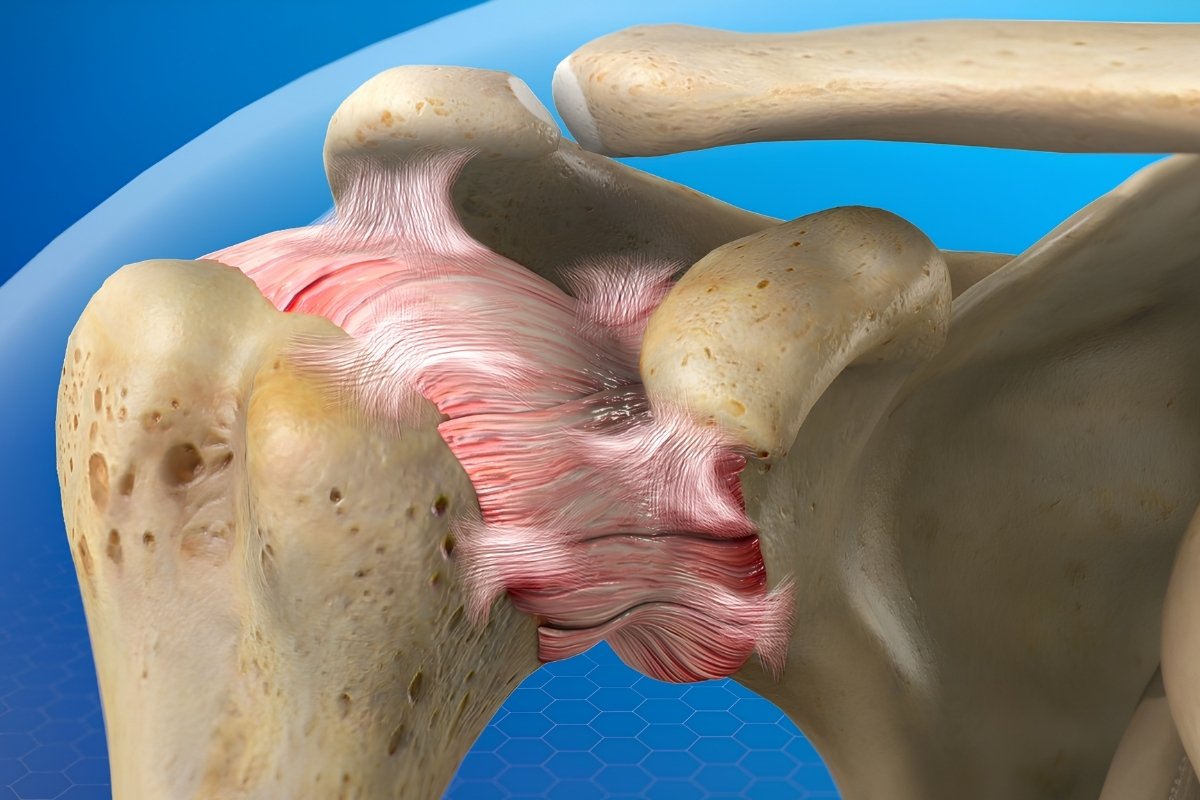
Frozen shoulder, also known as adhesive capsulitis, develops when the capsule surrounding the shoulder joint becomes thickened and tight. As movement becomes increasingly restricted, everyday activities such as reaching a shelf, dressing, driving, or sleeping comfortably can become frustrating and painful.
Seeking timely Frozen Shoulder Treatment in Ahmedabad helps identify the stage of the condition and determine the most appropriate treatment. Depending on the severity, care may include medications, physiotherapy, guided exercises, injections, or arthroscopic release for shoulders that fail to improve with conservative treatment.
Many patients regain comfortable shoulder movement with early diagnosis, structured physiotherapy, and guided rehabilitation. Surgery is considered only when significant stiffness persists despite appropriate conservative treatment.
Risk Factors
Why Does a Shoulder Become Frozen?
Diabetes
People living with diabetes have a significantly higher risk of developing frozen shoulder.

Shoulder Immobilization
Keeping the shoulder still for long periods after an injury or surgery can increase the risk of stiffness.

Previous Shoulder Injury
Trauma, fractures, or shoulder surgery may trigger inflammation that gradually leads to restricted movement.

Age-Related Changes
Frozen shoulder is most commonly seen between the ages of 40 and 60 and occurs more frequently in women.

WARNING SIGNS
Frozen shoulder usually develops gradually, making it easy to dismiss the early signs. Recognizing these changes can help you seek treatment before stiffness becomes more severe.
Restricted Daily Activities
Reduced Range of Motion
Difficulty Reaching Behind Your Back
Accurate Diagnosis
Finding Answers Before Choosing Treatment
Clinical Assessment
Shoulder movement, stiffness, and pain patterns are carefully evaluated to assess the severity of the condition.
Imaging When Required
X-rays or MRI scans may be recommended to rule out other shoulder conditions causing similar symptoms.
Stage-Based Planning
The findings help determine whether physiotherapy, injections, or arthroscopic treatment is the most appropriate next step.

Care
Non-Surgical Treatment
Most patients improve with a combination of medication, physiotherapy, stretching exercises, and activity modification. In selected cases, injections may help reduce pain and improve participation in rehabilitation.
Healing
Arthroscopic Capsular Release
When severe stiffness persists despite adequate conservative treatment, arthroscopic capsular release may be recommended. This minimally invasive procedure releases the tightened joint capsule, helping improve shoulder movement and supporting more effective rehabilitation.
TRUSTED CARE
Recognized for academic excellence with a strong foundation in evidence-based orthopaedic care and surgical precision.
Switzerland-trained expertise bringing modern techniques and global perspectives to shoulder and knee treatment.
Recipient of the Best Shoulder and Knee Surgeon in Gujarat award, reflecting dedication to clinical excellence.
Thoughtful guidance, transparent communication, and personalized treatment focused on achieving the best possible outcomes.
EXPERT GUIDANCE
If you're finding it difficult to lift your arm, dress comfortably, or sleep without shoulder pain, an early evaluation can help identify the cause and guide the right treatment before movement becomes more restricted.
Restoring Movement, Guided by Experience
Treating frozen shoulder is about more than reducing pain- it's about helping the shoulder regain movement safely and progressively. Every stage of treatment is planned according to the severity of stiffness, the condition of the joint, and the patient's functional goals.
Shoulder Mobility Expertise
Focused experience in evaluating and managing frozen shoulder across its different stages using evidence-based treatment approaches.
Advanced Arthroscopic Care
For shoulders that remain significantly stiff despite conservative treatment, arthroscopic capsular release may be considered to restore movement.
Stage-Specific Treatment
Treatment decisions are guided by the phase of frozen shoulder, ensuring care matches the condition rather than following a fixed approach.
Structured Rehabilitation
Recovery continues through guided physiotherapy, regular follow-up, and progressive exercises that help improve flexibility and shoulder function.
EXPERIENCES
My shoulder became so stiff that everyday activities were difficult. Dr. Vijay Bang explained every stage of frozen shoulder clearly, and the treatment helped me regain comfortable movement.
I couldn't lift my arm without pain and thought surgery was my only option. With guided treatment and physiotherapy, my shoulder gradually became more flexible, and my confidence returned.
The stiffness had been increasing for months before I sought help. The diagnosis was thorough, and the rehabilitation plan was easy to follow. My shoulder movement has improved remarkably.
Every follow-up appointment reassured me that recovery was progressing as expected. The structured exercises made a noticeable difference, and daily activities became much easier over time
Frequently Asked Questions
This section answers frequent concerns about symptoms, diagnosis, treatment decisions, and recovery.
Can frozen shoulder heal without surgery?
Yes. Most patients improve with medications, physiotherapy, stretching exercises, and activity modification. Surgery is considered only when significant stiffness continues despite adequate conservative treatment.
How long does frozen shoulder last?
Frozen shoulder usually progresses through different stages, and recovery varies from person to person. With timely treatment and rehabilitation, many patients regain movement more effectively than if the condition is left untreated.
Is frozen shoulder different from a rotator cuff tear?
Yes. Frozen shoulder primarily causes stiffness due to tightening of the joint capsule, while a rotator cuff tear involves injury to the shoulder tendons. A clinical examination helps distinguish between the two conditions.
When is surgery recommended for frozen shoulder?
Arthroscopic capsular release may be recommended when severe stiffness continues despite appropriate physiotherapy, medication, and other conservative treatments.
Who is more likely to develop frozen shoulder?
Frozen shoulder is more common in people between 40 and 60 years of age, individuals with diabetes, and those who have kept the shoulder immobilized after an injury or surgery.
Reach out to understand your condition, explore the right care pathway, and receive guidance designed around your needs. Our team is here to help you take the next step with clarity and confidence.
Near Shivalik Satyamev, Vakil Saheb Bridge, Sardar Patel Ring Rd, Bopal, Ahmedabad, Gujarat 380058
Mon-Sat
10:00 am-07:00 pm
Emergency 24/7
Phone:
081292 72101
Email: vbrbang@gmail.com
Whether your symptoms have just begun or stiffness has been limiting your routine for months, expert evaluation can help identify the stage of your condition and guide the most appropriate treatment.