
Ligament Injury Treatment in Ahmedabad
Restoring Knee Stability After Sports, Falls, and Everyday Injuries
Focused Treatment for Ligament Injury Because Strong Movement Begins with Stable Ligaments
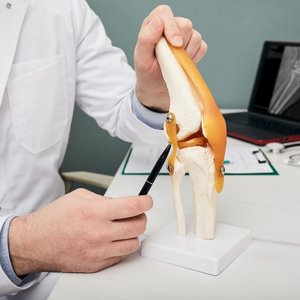
Every ligament injury is carefully evaluated to identify associated damage before treatment begins.
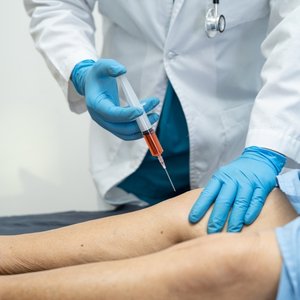
Treatment aims to restore knee stability while protecting the meniscus, cartilage, and surrounding structures.

Progressive rehabilitation helps improve strength, balance, and controlled knee movement throughout recovery.
Understanding
When the Knee No Longer Feels Secure
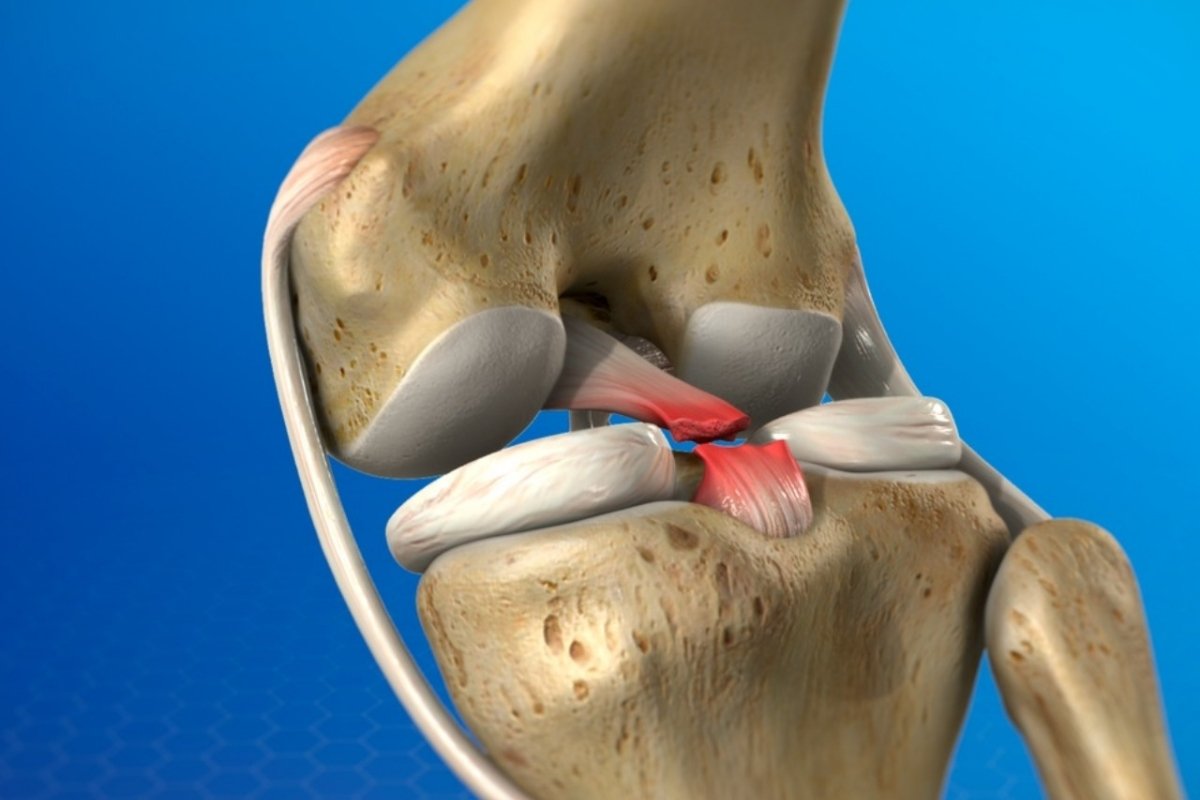
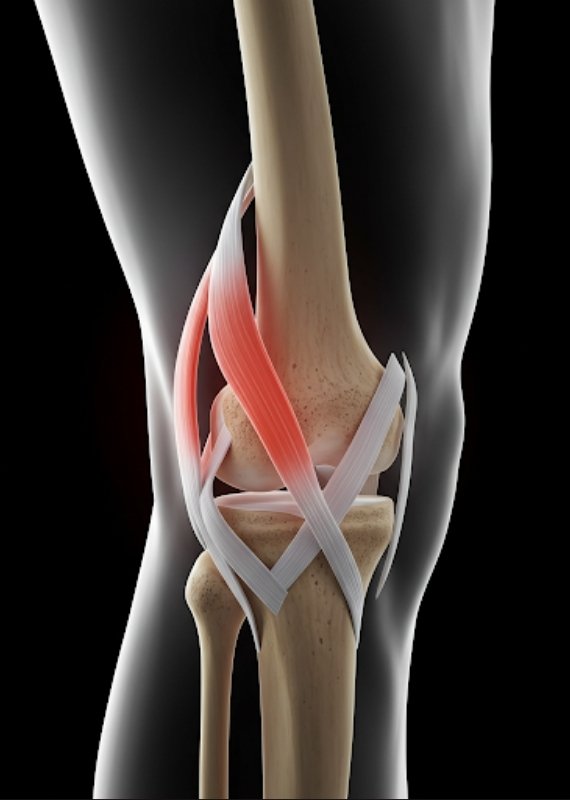
The knee is supported by four major ligaments—the anterior cruciate ligament (ACL), posterior cruciate ligament (PCL), medial collateral ligament (MCL), and lateral collateral ligament (LCL). These ligaments work together to provide stability during movement. A sudden twist, sports injury, road accident, or direct impact can stretch or tear one or more of these structures, causing pain, swelling, instability, and difficulty bearing weight.
Seeking timely Ligament Injury Treatment in Ahmedabad helps determine which ligament has been injured, whether other structures such as the meniscus or cartilage are also involved, and which treatment will provide the best long-term knee function.
Many mild ligament sprains and isolated injuries improve with bracing, physiotherapy, and rehabilitation. Surgical reconstruction is generally considered for complete tears, multiple ligament injuries, persistent instability, or patients wishing to return to demanding physical activities.
Risk Factors
How Do Knee Ligament Injuries Occur?
Sports-Related Twisting
Sudden changes in direction while the foot remains planted commonly injure the knee ligaments.

Direct Impact
A forceful blow during contact sports, falls, or accidents may damage one or more knee ligaments.
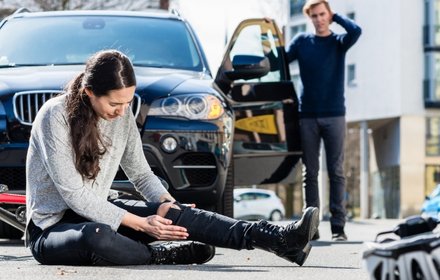
Road Traffic Accidents
High-energy trauma can result in complex injuries involving multiple ligaments and surrounding structures.
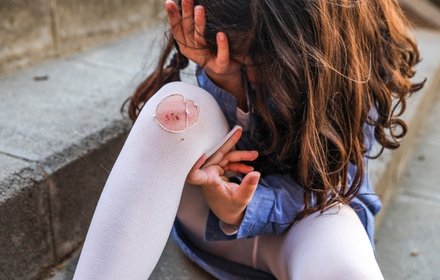
Awkward Landing
Landing incorrectly after a jump may place excessive stress on the stabilizing ligaments of the knee.
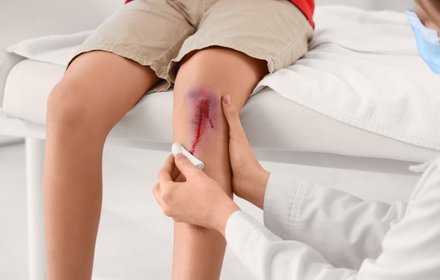
WARNING SIGNS
Could Your Knee Be Telling You Something?
Ligament injuries often affect knee stability as much as they cause pain. Recognizing these warning signs early can help prevent additional joint damage.
Knee Giving Way
Rapid Swelling
Pain During Weight Bearing
Limited Knee Movement
Feeling of Instability
Difficulty Returning to Activity
Accurate Diagnosis
Knee stability, swelling, movement, alignment, and ligament integrity are carefully assessed.
MRI helps identify the injured ligament and detect associated meniscus, cartilage, or bone injuries.
The type of ligament injury, knee stability, activity level, and recovery goals guide the recommended treatment plan.

Care
Many ligament sprains and partial tears improve with bracing, medication, physiotherapy, muscle strengthening, and progressive rehabilitation designed to restore stability and knee function.
Healing
When complete tears, persistent instability, or multiple ligament injuries prevent the knee from functioning normally, arthroscopic ligament reconstruction may be recommended to restore stability and support long-term knee health.
TRUSTED CARE
Recognized for academic excellence with a strong foundation in evidence-based orthopaedic care and surgical precision.
Switzerland-trained expertise bringing modern techniques and global perspectives to shoulder and knee treatment.
Recipient of the Best Shoulder and Knee Surgeon in Gujarat award, reflecting dedication to clinical excellence.
Thoughtful guidance, transparent communication, and personalized treatment focused on achieving the best possible outcomes.
EXPERT GUIDANCE
If your knee feels loose, repeatedly gives way, or hasn't regained strength after an injury, an expert evaluation can help identify the damaged ligament and guide the most appropriate treatment before further joint damage occurs.
Experience That Keeps You Moving with Confidence
Every ligament injury deserves an accurate diagnosis and a treatment plan based on the specific structures involved—not just the symptoms. Dr. Vijay Bang combines focused sports knee expertise with advanced arthroscopic techniques and structured rehabilitation to help patients regain stability and safely return to their routine.
Comprehensive Ligament Expertise
Experienced in treating ACL, PCL, MCL, LCL, and complex multi-ligament knee injuries with evidence-based treatment strategies.
Individualized Clinical Decisions
Treatment recommendations are based on the injured ligament, knee stability, activity level, associated injuries, and long-term functional goals.
Advanced Arthroscopic Reconstruction
Modern minimally invasive techniques allow precise ligament reconstruction while preserving healthy surrounding tissues whenever possible.
Rehabilitation with Clear Milestones
Recovery is guided through progressive physiotherapy focused on restoring strength, balance, movement, and confidence before returning to work or sports.
EXPERIENCES
My knee kept giving way after a sports injury, making even simple movements difficult. Dr. Vijay Bang identified the ligament injury quickly, and the treatment helped me regain stability and confidence.
I appreciated the detailed explanation of my injury and the different treatment options available. The rehabilitation plan was well structured, and my knee feels much stronger today.
Following my accident, I was worried about returning to football. The surgery and rehabilitation were carefully planned, and I am now back to training without instability.
Every stage of my recovery was clearly explained, and I always knew what to expect. My knee movement has improved significantly, and I can walk comfortably again
Frequently Asked Questions
This section answers frequent concerns about symptoms, diagnosis, treatment decisions, and recovery.
Which ligaments can be injured in the knee?
The knee has four major ligaments—the ACL, PCL, MCL, and LCL. Depending on the type of injury, one or more of these ligaments may be stretched, partially torn, or completely torn.
Can a ligament injury heal without surgery?
Yes. Many mild sprains and partial ligament tears improve with bracing, physiotherapy, and rehabilitation. Surgery is generally recommended for complete tears, persistent instability, or multiple ligament injuries.
What is ligament reconstruction surgery?
Ligament reconstruction is usually performed arthroscopically using a tendon graft to restore knee stability after a complete ligament tear, particularly when the knee remains unstable during daily activities or sports.
How long does recovery take after ligament reconstruction?
Recovery varies according to the ligament involved, the severity of the injury, and rehabilitation progress. Physiotherapy plays an essential role in restoring strength, balance, and safe knee function.
Can I return to sports after a ligament injury?
Many patients successfully return to sports after completing rehabilitation and achieving adequate strength, stability, and functional recovery. The timing depends on the specific ligament injury and individual progress.
Reach out to understand your condition, explore the right care pathway, and receive guidance designed around your needs. Our team is here to help you take the next step with clarity and confidence.
Near Shivalik Satyamev, Vakil Saheb Bridge, Sardar Patel Ring Rd, Bopal, Ahmedabad, Gujarat 380058
Mon-Sat
10:00 am-07:00 pm
Emergency 24/7
Phone:
081292 72101
Email: vbrbang@gmail.com
Whether your injury is recent or you've been living with an unstable knee for months, expert evaluation can help you understand the problem and choose the right path towards lasting recovery.