
Shoulder Impingement Treatment in Ahmedabad
Relieving Shoulder Pain Caused by Everyday Movement
Shoulder Impingement Care Because Not Every Painful Shoulder Is an Injury

Every painful shoulder is carefully assessed to identify the source of impingement before treatment begins.

Treatment focuses on restoring smooth shoulder movement while reducing irritation around the joint.

Structured rehabilitation helps improve shoulder strength, flexibility, and long-term function after treatment.

Understanding
When Shoulder Movement Starts Hurting
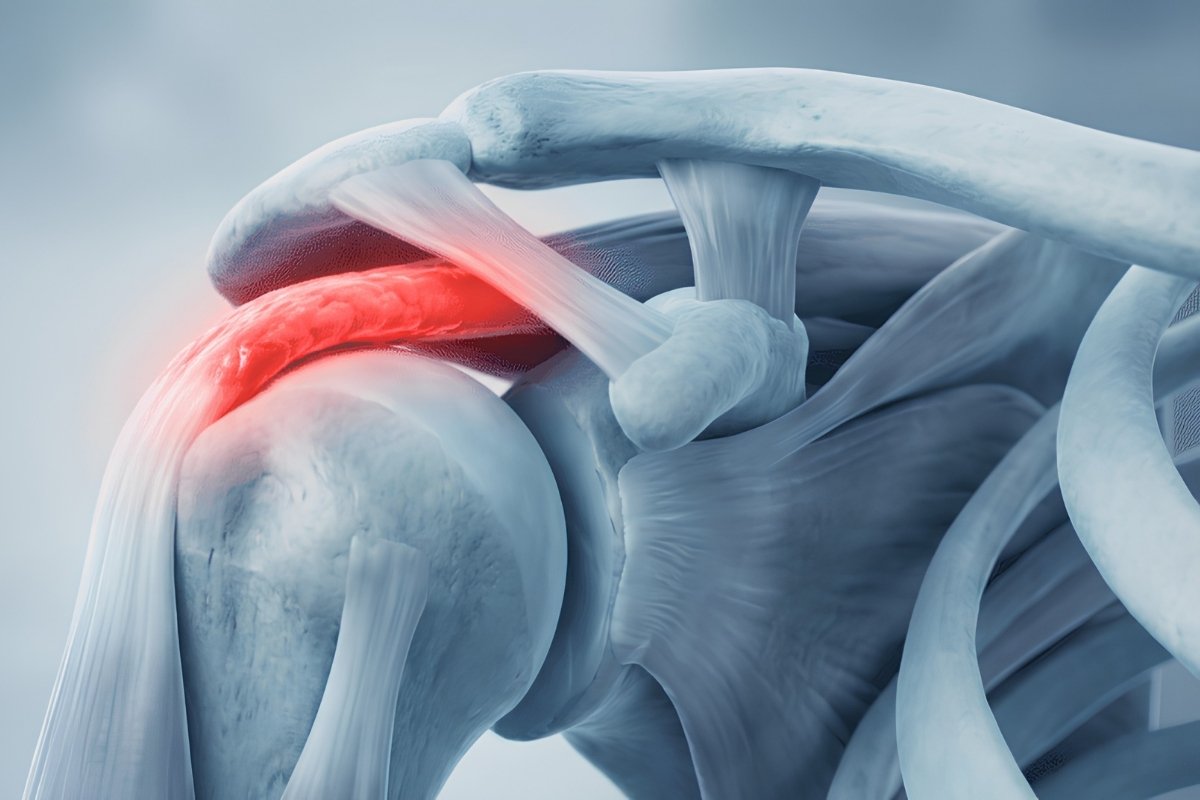
Shoulder impingement occurs when the rotator cuff tendons or the bursa become compressed beneath the acromion during arm movement. This repeated pinching causes inflammation, pain, and difficulty performing activities that involve lifting or reaching overhead. If ignored, ongoing irritation may gradually lead to tendon damage or rotator cuff tears.
Seeking timely Shoulder Impingement Treatment in Ahmedabad allows the condition to be identified early and managed before symptoms progress. Depending on the severity, treatment may include physiotherapy, medications, activity modification, injections, or arthroscopic surgery when conservative treatment no longer provides adequate relief.
Early shoulder impingement often responds well to structured physiotherapy, guided exercises, and reducing activities that repeatedly irritate the shoulder. Surgical treatment is generally considered only when symptoms continue despite appropriate conservative care.
Risk Factors
Why Does Shoulder Impingement Develop?
Repeated Overhead Activities
Frequent lifting, throwing, or overhead work can repeatedly irritate the tendons within the shoulder joint.

Poor Shoulder Mechanics
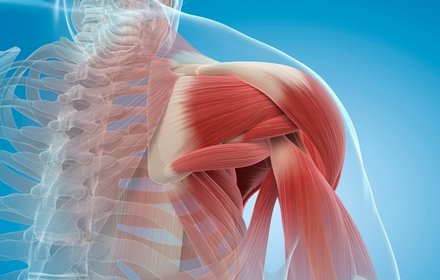
Muscle imbalance or altered shoulder movement may reduce the available space around the tendons.
Bone Spurs
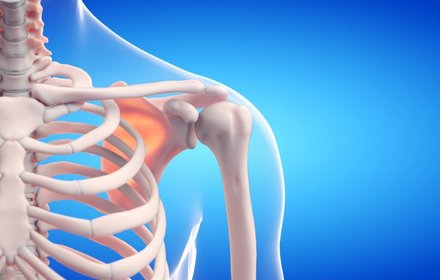
Age-related bone growth beneath the acromion may increase pressure on the surrounding soft tissues.
Sports/ Physical Demands
Activities involving repeated overhead arm movements may gradually contribute to tendon irritation and inflammation.

WARNING SIGNS
Is Your Shoulder Trying to Tell You Something?
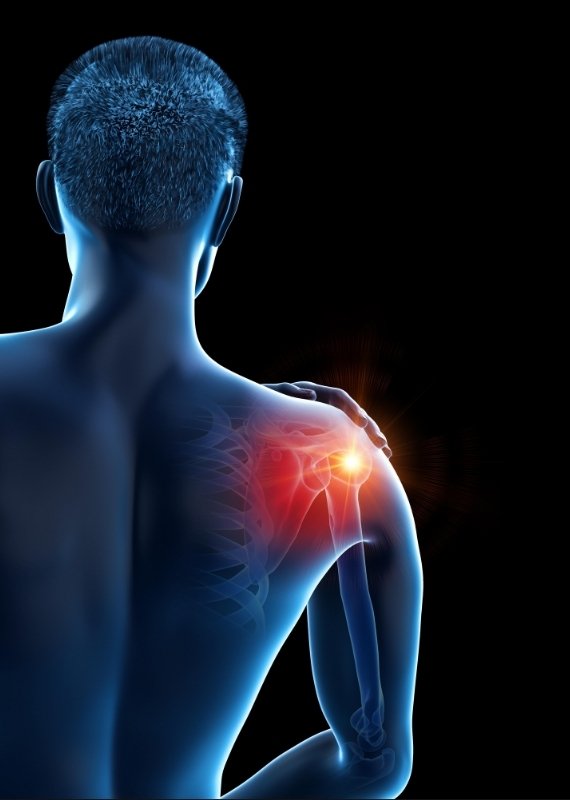
Shoulder impingement often begins with discomfort during specific movements before gradually affecting everyday activities. Recognizing these early signs allows treatment to begin before the condition worsens.
Pain While Lifting the Arm
Discomfort During Daily Activities
Pain After Activity
Night-Time Shoulder Pain
Weakness During Movement
Reduced Shoulder Motion
Accurate Diagnosis
Finding Answers Before Choosing Treatment
Clinical Assessment
Shoulder movement, strength, stability, and pain patterns are carefully evaluated during examination.
Imaging Support
X-rays or MRI scans may be recommended to assess tendon health, bone anatomy, and associated shoulder conditions.
Treatment Planning
Clinical findings and imaging are combined to recommend the most appropriate treatment based on your symptoms and shoulder function.

Care
Conservative Treatment
Many patients improve with activity modification, medications, physiotherapy, and exercises designed to improve shoulder mechanics and strengthen supporting muscles.
Healing
Arthroscopic Shoulder Surgery
When persistent symptoms fail to improve despite conservative care, arthroscopic surgery may be recommended to relieve impingement, address damaged tissues, and create adequate space for smooth tendon movement.
TRUSTED CARE
Recognized for academic excellence with a strong foundation in evidence-based orthopaedic care and surgical precision.
Switzerland-trained expertise bringing modern techniques and global perspectives to shoulder and knee treatment.
Recipient of the Best Shoulder and Knee Surgeon in Gujarat award, reflecting dedication to clinical excellence.
Thoughtful guidance, transparent communication, and personalized treatment focused on achieving the best possible outcomes.
EXPERT GUIDANCE
If lifting your arm has become uncomfortable or repetitive shoulder pain continues to return, an expert evaluation can help identify the cause and guide the right treatment.
The Expertise Behind Better Shoulder Movement
Restoring shoulder function requires understanding why impingement occurs and selecting treatment that addresses the underlying cause rather than only the symptoms. Dr. Vijay Bang combines focused shoulder expertise with evidence-based decision-making to help patients return to comfortable movement.
Shoulder Impingement Expertise
Focused evaluation and treatment of shoulder impingement, tendon disorders, and movement-related shoulder pain.
Evidence-Based Decisions
Treatment recommendations are guided by clinical examination, imaging findings, and the condition of the shoulder.
Arthroscopic Shoulder Care
Advanced minimally invasive techniques are considered whenever surgical treatment offers the best opportunity for lasting relief.
Recovery Beyond Treatment
Guided rehabilitation and progressive strengthening help restore movement while reducing the likelihood of recurring symptoms.
EXPERIENCES
Pain while lifting my arm gradually became worse over several months. Dr. Vijay Bang identified the cause quickly, and the treatment helped me regain comfortable shoulder movement
I thought I had a serious injury, but the problem was shoulder impingement. The explanation, treatment, and physiotherapy made a noticeable difference in my recovery.
Sports had become difficult because of constant shoulder pain. After treatment and rehabilitation, I was able to return to regular activities with much greater confidence.
The consultation was thorough, and every treatment option was explained clearly. My shoulder feels much stronger, and everyday movements are no longer painful
Frequently Asked Questions
This section answers frequent concerns about symptoms, diagnosis, treatment decisions, and recovery.
Can shoulder impingement heal without surgery?
Yes. Many patients improve with physiotherapy, activity modification, medication, and strengthening exercises. Surgery is considered only when symptoms persist despite conservative treatment.
Is shoulder impingement the same as a rotator cuff tear?
No. Shoulder impingement involves compression of the tendons, while a rotator cuff tear refers to damage or tearing of the tendons themselves. Persistent impingement, however, may increase the risk of tendon injury over time.
How is shoulder impingement diagnosed?
Diagnosis involves a clinical shoulder examination, assessment of movement patterns, and imaging studies when necessary to confirm the condition and rule out associated injuries.
When is arthroscopic surgery recommended?
Arthroscopic surgery may be considered when pain and limited shoulder function continue despite appropriate physiotherapy and other conservative treatments.
Can I return to sports after treatment?
Many patients return to sports and daily activities after completing treatment and rehabilitation. The timeline depends on the severity of the condition and the chosen treatment approach.
Reach out to understand your condition, explore the right care pathway, and receive guidance designed around your needs. Our team is here to help you take the next step with clarity and confidence.
Near Shivalik Satyamev, Vakil Saheb Bridge, Sardar Patel Ring Rd, Bopal, Ahmedabad, Gujarat 380058
Mon-Sat
10:00 am-07:00 pm
Emergency 24/7
Phone:
081292 72101
Email: vbrbang@gmail.com
Whether your symptoms are recent or have been affecting you for months, expert shoulder evaluation can help you understand your condition and choose the right path towards recovery.