
Meniscus Tear Treatment in Ahmedabad
Protecting the Knee’s Natural Cushion for Smoother Movement
Focused Treatment for Meniscus Tear Because Every Knee Has Its Own Story of Movement
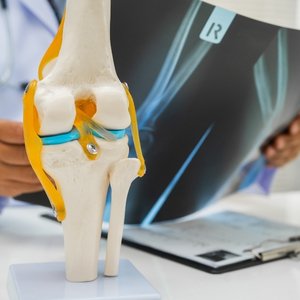
Whenever possible, treatment focuses on preserving the natural meniscus to protect the knee from future joint wear.
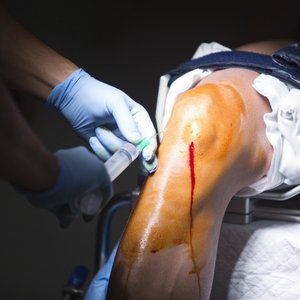
Minimally invasive arthroscopic techniques help diagnose and treat meniscus injuries with precision when surgery is required.
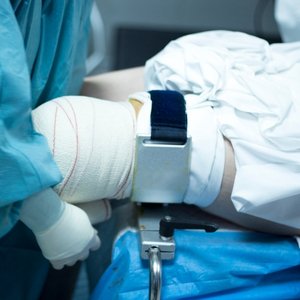
Structured rehabilitation helps restore knee movement, rebuild strength, and support a safe return to daily activities and sports.
Understanding
When the Knee's Natural Cushion Is Injured
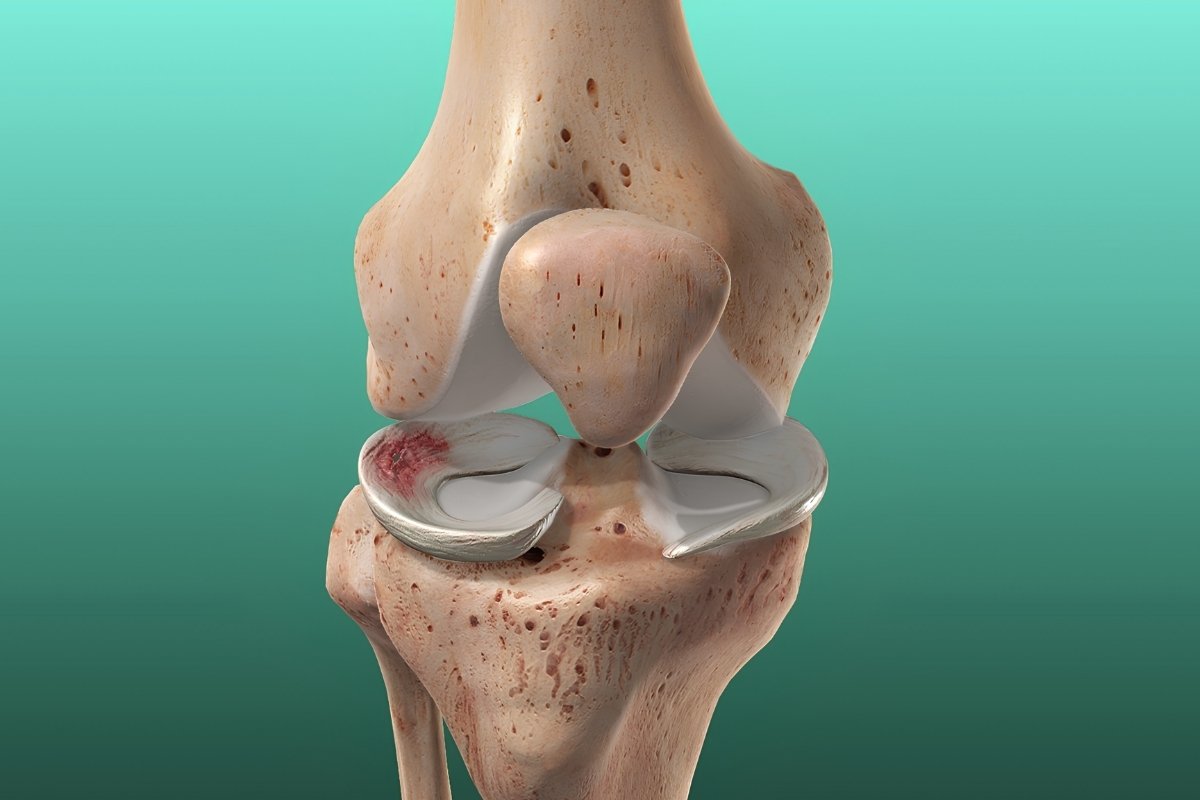
The meniscus is a C-shaped piece of cartilage that cushions the knee joint and helps maintain stability during movement. A tear can occur suddenly after twisting the knee during sports or gradually as the cartilage weakens with age. Depending on the type of tear, patients may experience pain, swelling, locking, or difficulty bending and straightening the knee.
Seeking timely Meniscus Tear Treatment in Ahmedabad helps determine the extent of the injury and whether the meniscus can be preserved through rehabilitation or repaired using arthroscopic surgery. Early diagnosis plays an important role in protecting the knee joint and reducing the risk of future cartilage damage.
Many small or stable tears improve with appropriate rehabilitation, activity modification, and conservative treatment. Surgery is generally considered when the knee remains painful, repeatedly locks, or the tear is unlikely to heal without repair.
Risk Factors
What Can Lead to a Meniscus Tear?
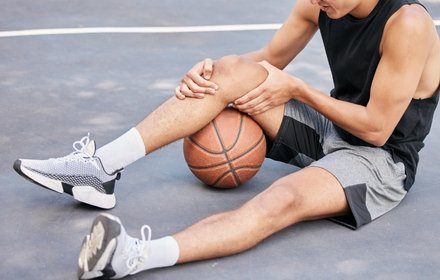
Twisting Sports Injuries
Sudden twisting while the foot remains planted is one of the most common causes of a meniscus tear.
Deep Squatting
Forceful bending or rotational movements can place excessive stress on the meniscus.

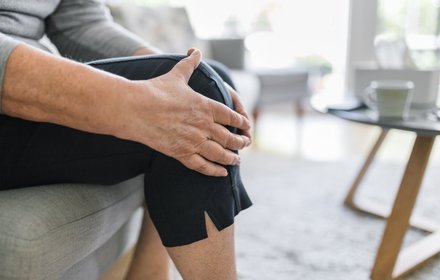
Age-Related Wear
As the meniscus becomes less flexible with age, even routine movements may result in a tear.
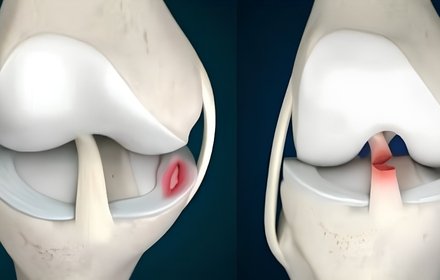
Associated Ligament Injuries
Meniscus tears commonly occur alongside ACL injuries and other knee ligament damage.
WARNING SIGNS
Is Your Knee Sending Warning Signs?
A meniscus tear can affect the way your knee moves long before everyday activities become difficult. Recognizing these symptoms early helps protect the joint and guide timely treatment.
Pain Along the Joint Line
Knee Swelling
Locking or Catching
Difficulty Squatting
Clicking Sensation
Reduced Knee Movement
Accurate Diagnosis
Knee movement, joint tenderness, swelling, stability, and mechanical symptoms are carefully assessed.
MRI helps confirm the meniscus tear, identify its location, and detect associated ligament or cartilage injuries.
Clinical findings, imaging results, age, activity level, and the type of tear are considered before recommending treatment.


Care
Small, stable, or degenerative tears may improve with activity modification, medication, physiotherapy, strengthening exercises, and guided rehabilitation aimed at restoring comfortable knee movement.
Healing
When the tear causes persistent pain, locking, instability, or is unlikely to heal on its own, arthroscopic surgery may be recommended. Depending on the injury, the procedure may involve meniscus repair to preserve the cartilage or partial meniscectomy when the damaged portion cannot be repaired.
TRUSTED CARE
The Expertise Behind Every Shoulder Repair
Gold Medalist
Recognized for academic excellence with a strong foundation in evidence-based orthopaedic care and surgical precision.
International Training
Switzerland-trained expertise bringing modern techniques and global perspectives to shoulder and knee treatment.
Award-Winning Care
Recipient of the Best Shoulder and Knee Surgeon in Gujarat award, reflecting dedication to clinical excellence.
Patient-First Approach
Thoughtful guidance, transparent communication, and personalized treatment focused on achieving the best possible outcomes.
EXPERT GUIDANCE
If your knee continues to click, lock, swell, or hurt during everyday activities, early evaluation can identify the cause and help determine whether rehabilitation or arthroscopic treatment is the right option.
Preserving the Knee Starts with the Right Decision
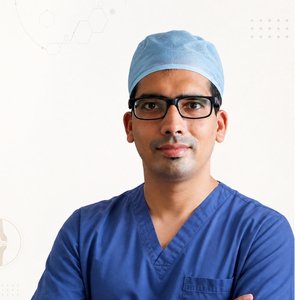
Every meniscus tear is different. Some tears can heal with structured rehabilitation, while others require timely arthroscopic repair to protect the knee from further damage. Dr. Vijay Bang focuses on preserving healthy knee structures whenever possible, helping patients return to comfortable movement with treatment that matches the injury.
Dedicated Knee Injury Expertise
Focused experience in diagnosing and treating sports-related, traumatic, and degenerative meniscus injuries across all age groups.
Advanced Arthroscopic Surgery
Modern minimally invasive techniques allow accurate diagnosis and treatment through small incisions with minimal disruption to surrounding tissues.
Meniscus Preservation First
Whenever clinically appropriate, treatment aims to repair and preserve the natural meniscus instead of removing it.
Rehabilitation That Restores Function
Recovery is supported through progressive physiotherapy that rebuilds strength, flexibility, balance, and confidence in knee movement.
EXPERIENCES
My knee kept locking whenever I tried to squat or climb stairs. Dr. Vijay Bang identified the meniscus tear quickly and explained every treatment option clearly. My knee feels smooth and stable again.
I was worried surgery would be my only option, but I first received conservative treatment. The rehabilitation program reduced my pain significantly and helped me return to my daily routine comfortably.
Every follow-up appointment focused on my progress and recovery goals. I appreciated the clear communication and the confidence I gained throughout rehabilitation
From diagnosis to recovery, everything was explained in simple language. My knee no longer catches during movement, and everyday activities have become much easier.
Frequently Asked Questions
This section answers frequent concerns about symptoms, diagnosis, treatment decisions, and recovery.
Can a meniscus tear heal without surgery?
Yes. Small, stable, or degenerative tears may improve with physiotherapy, activity modification, medication, and rehabilitation. Surgery is recommended only when symptoms persist or the tear is unlikely to heal naturally.
What is arthroscopic meniscus surgery?
It is a minimally invasive procedure performed through small incisions using a camera and specialized instruments. Depending on the tear, the surgeon may repair the meniscus or remove only the damaged portion while preserving as much healthy cartilage as possible.
How long does recovery take after meniscus surgery?
Recovery depends on the type of tear and the procedure performed. Meniscus repair generally requires a longer rehabilitation period than partial meniscectomy because the repaired tissue needs time to heal.
Can delaying treatment make a meniscus tear worse?
Yes. Continuing strenuous activities with certain types of meniscus tears may increase the size of the injury, worsen mechanical symptoms, and contribute to cartilage damage within the knee.
Reach out to understand your condition, explore the right care pathway, and receive guidance designed around your needs. Our team is here to help you take the next step with clarity and confidence.
Near Shivalik Satyamev, Vakil Saheb Bridge, Sardar Patel Ring Rd, Bopal, Ahmedabad, Gujarat 380058
Mon-Sat
10:00 am-07:00 pm
Emergency 24/7
Phone:
081292 72101
Email: vbrbang@gmail.com