Shoulder Dislocation Treatment in Ahmedabad
Helping You Regain a Stable, Confident Shoulder
Focused Treatment for Shoulder Instability for When the Shoulder Stops Feeling Secure
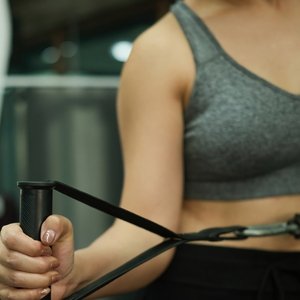
Treatment focuses on restoring the normal stability of the shoulder while protecting surrounding muscles, tendons, and ligaments.
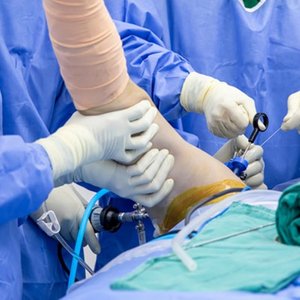
Modern minimally invasive techniques help repair damaged stabilizing structures whenever surgery becomes necessary.
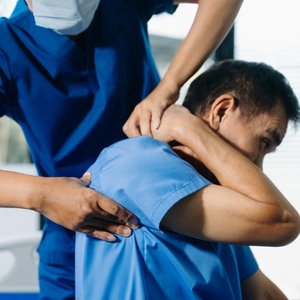
Structured rehabilitation plays a vital role in rebuilding shoulder strength, movement, and long-term stability.
Understanding
When Your Shoulder Doesn't Feel Reliable Anymore
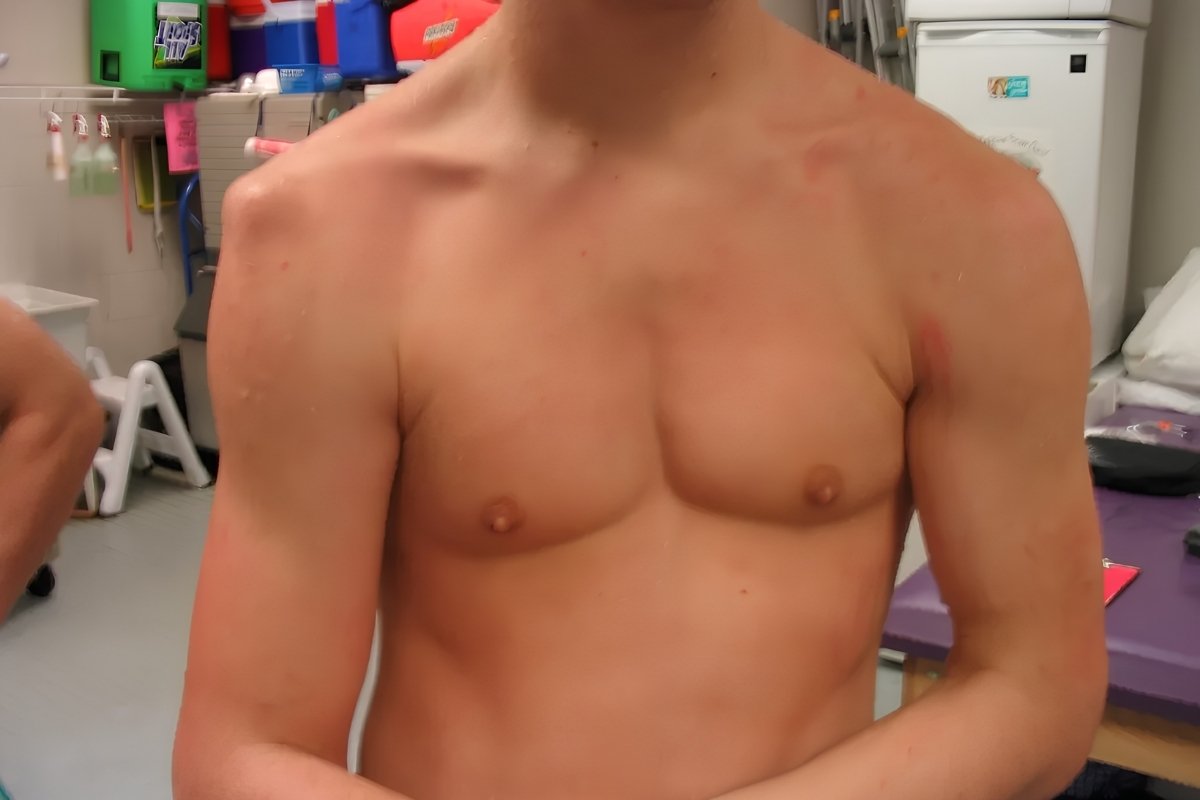
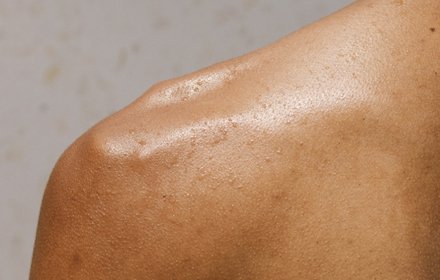
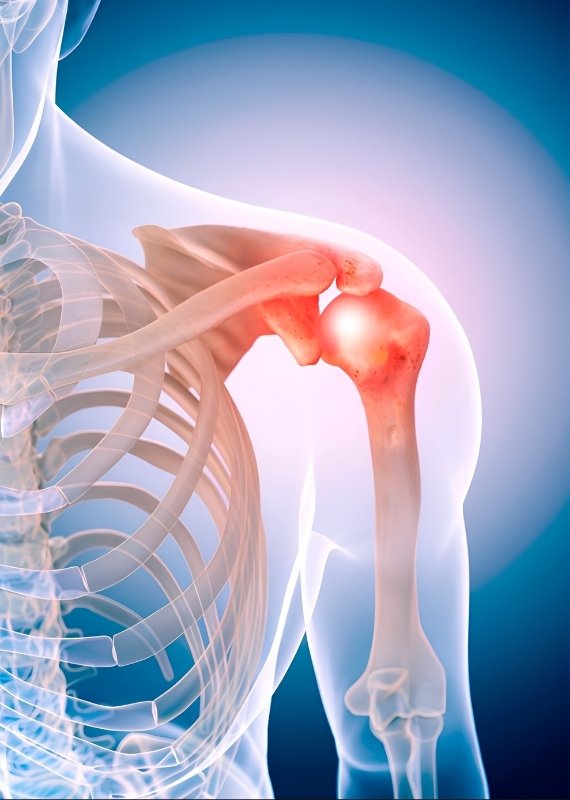
The shoulder is the most mobile joint in the body, allowing a wide range of movement. This flexibility also makes it more vulnerable to instability and dislocation. A shoulder dislocation occurs when the ball of the upper arm moves completely out of the socket, usually after trauma or sports injuries. In some patients, the supporting ligaments and cartilage do not heal completely, causing the shoulder to remain unstable and increasing the likelihood of repeated dislocations.
Seeking timely Shoulder Dislocation Treatment in Ahmedabad helps identify the extent of ligament or labral injury and determine whether rehabilitation alone or arthroscopic stabilization offers the best chance of preventing future episodes.
Many first-time shoulder dislocations can be managed successfully with appropriate reduction, immobilization, and rehabilitation. Surgery is generally recommended for recurrent dislocations, significant instability, or structural damage that increases the risk of repeated episodes.
Risk Factors
Why Does the Shoulder Keep Slipping?
Sports Injuries
Contact sports and activities involving sudden impact are common causes of shoulder dislocation.

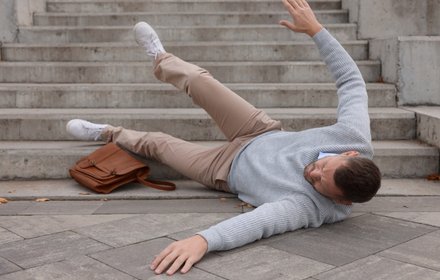
Falls & Trauma
A fall onto an outstretched arm or direct injury may force the shoulder out of its socket.
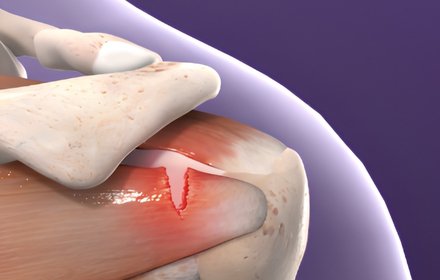
Ligament & Labral Injury
Damage to the stabilizing ligaments or labrum may leave the shoulder vulnerable to future instability.
Previous Dislocations
Once the shoulder has dislocated, the likelihood of another increases if the supporting do not heal.
WARNING SIGNS
Could Your Shoulder Be Losing Stability?
Shoulder instability often becomes noticeable during activities that involve reaching, throwing, or sudden movements. Recognizing these warning signs early can help prevent repeated dislocations.
Shoulder Slips Out of Place
Feeling of Looseness
Pain After Movement
Repeated Dislocations
Weakness Around the Shoulder
Limited Sporting Confidence
Accurate Diagnosis
Finding the Reason Behind the Instability
Clinical Assessment
Shoulder stability, movement, ligament integrity, and muscle strength are carefully assessed.
Advanced Imaging
MRI and CT imaging help identify labral tears, ligament injuries, and associated bone damage when required.
Treatment Planning
Clinical findings and imaging results guide the decision between rehabilitation and arthroscopic stabilization surgery.

Care
Conservative Management
Following a first-time shoulder dislocation, treatment may include reduction of the dislocation, temporary immobilization, pain management, and structured physiotherapy. The focus is on relieving pain, restoring shoulder movement, strengthening the surrounding muscles, and reducing the risk of future instability.
Healing
Arthroscopic Shoulder Stabilization
When the shoulder continues to dislocate, feels persistently unstable, or imaging shows significant ligament or labral damage, arthroscopic shoulder stabilization may be recommended. Through small incisions, the damaged stabilizing structures are repaired to restore shoulder stability while preserving normal joint movement.
TRUSTED CARE
Recognized for academic excellence with a strong foundation in evidence-based orthopaedic care and surgical precision.
Switzerland-trained expertise bringing modern techniques and global perspectives to shoulder and knee treatment.
Recipient of the Best Shoulder and Knee Surgeon in Gujarat award, reflecting dedication to clinical excellence.
Thoughtful guidance, transparent communication, and personalized treatment focused on achieving the best possible outcomes.
EXPERT GUIDANCE
A shoulder that repeatedly slips out of place deserves more than temporary relief. Early evaluation can identify the cause of instability and help determine the most appropriate treatment before additional damage occurs.
Restoring a stable shoulder requires more than treating the immediate injury. It involves identifying why the shoulder became unstable, repairing damaged structures when required, and guiding rehabilitation that rebuilds strength and confidence. Dr. Vijay Bang focuses on evidence-based shoulder care that helps patients return to daily activities, work, and sports with improved stability.
Extensive experience in evaluating first-time dislocations, recurrent shoulder instability, and complex shoulder injuries.
Treatment recommendations are guided by clinical examination, imaging findings, activity level, and the likelihood of future instability.
Modern minimally invasive techniques help repair damaged ligaments and the labrum while preserving healthy surrounding tissues whenever possible.
Structured rehabilitation helps restore strength, improve shoulder control, and support a safe return to everyday activities and sports.
EXPERIENCES
My shoulder had dislocated twice while playing cricket, and I constantly worried it would happen again. Dr. Vijay Bang explained the problem clearly, and after treatment, I feel much more confident using my shoulder.
I had been living with repeated shoulder dislocations for years before seeking treatment. The diagnosis was thorough, and the recovery plan helped me return to work without the constant fear of another episode.
Every step of the treatment was explained in simple language. My shoulder feels stable again, and I have regained the confidence to perform daily activities comfortably.
From the first consultation to the final follow-up, the care was professional and reassuring. My shoulder strength has improved significantly, and I can move without hesitation.
Frequently Asked Questions
This section answers frequent concerns about symptoms, diagnosis, treatment decisions, and recovery.
What is the difference between shoulder instability and shoulder dislocation?
A shoulder dislocation is a specific injury where the upper arm bone comes completely out of the shoulder socket. Shoulder instability is a condition in which the shoulder repeatedly slips, partially dislocates, or feels loose because the supporting structures have become damaged.
Will my shoulder dislocate again after the first injury?
The risk of another dislocation depends on several factors, including your age, activity level, participation in sports, and the extent of ligament or labral injury. A detailed evaluation helps determine your individual risk.
When is surgery recommended for shoulder instability?
Surgery is generally considered for recurrent dislocations, persistent instability, significant labral tears, or when the risk of repeated shoulder dislocations remains high despite rehabilitation.
What is arthroscopic shoulder stabilization?
It is a minimally invasive procedure performed through small incisions to repair damaged ligaments and the labrum, helping restore shoulder stability while preserving normal joint movement.
How long does recovery take after shoulder stabilization surgery?
Recovery varies depending on the extent of the injury and the procedure performed. Rehabilitation is an essential part of treatment and helps restore strength, stability, and shoulder function over the following months.
Can I return to sports after treatment?
Many patients are able to return to sports after completing rehabilitation and regaining adequate shoulder strength and stability. The timeline depends on healing, recovery progress, and the demands of the sport.
Reach out to understand your condition, explore the right care pathway, and receive guidance designed around your needs. Our team is here to help you take the next step with clarity and confidence.
Near Shivalik Satyamev, Vakil Saheb Bridge, Sardar Patel Ring Rd, Bopal, Ahmedabad, Gujarat 380058
Mon-Sat
10:00 am-07:00 pm
Emergency 24/7
Phone:
081292 72101
Email: vbrbang@gmail.com
Whether you've experienced a first-time dislocation or repeated episodes over the years, expert evaluation can help you understand your condition and choose the right treatment before further damage occurs.