
Shoulder Replacement Surgery in Ahmedabad
Restoring Comfortable Shoulder Movement When Other Treatments Are No Longer Enough
Shoulder Replacement Surgery
When severe shoulder arthritis, complex fractures, or irreparable tendon damage make everyday movements painful, shoulder replacement surgery may help restore comfort and function. Dr. Vijay Bang offers expert Shoulder Replacement Surgery in Ahmedabad, combining careful evaluation with advanced surgical techniques to recommend the right procedure for each shoulder condition.

Understanding Shoulder Replacement
Shoulder replacement is not simply about replacing a joint- it’s about restoring movement, relieving pain, and helping patients return to the activities that matter most. The type of replacement depends on the condition of the bone, cartilage, tendons, and surrounding muscles, making careful planning essential before surgery.

When Shoulder Replacement Becomes the Right Choice
Shoulder replacement surgery involves replacing damaged parts of the shoulder joint with specially designed implants to reduce pain and improve movement. It is generally considered when arthritis, complex fractures, or advanced shoulder damage continue to affect daily life despite appropriate non-surgical treatment.
Many patients seek Shoulder Replacement Surgery in Ahmedabad after months or years of persistent pain that limits dressing, lifting, sleeping, or routine activities. The decision to proceed with surgery is based on the severity of joint damage, shoulder function, overall health, and individual goals—not simply on age or imaging findings.
Many shoulder conditions improve with medication, physiotherapy, injections, or arthroscopic procedures. Shoulder replacement is considered only when these options are no longer likely to provide meaningful improvement.
Could Shoulder Replacement Be the Right Option?
Shoulder replacement is recommended only after a detailed assessment confirms that the damaged joint is the primary cause of pain and restricted movement.
Advanced Shoulder Arthritis
Extensive joint wear causing persistent pain and significant limitation in shoulder movement.
Irreparable Rotator Cuff Damage
Massive tendon injuries that have resulted in loss of normal shoulder function.
Complex Shoulder Fractures
Selected fractures where reconstruction is unlikely to restore a stable, functional joint.
Failed Previous Treatment
Persistent symptoms despite medication, rehabilitation, injections, or earlier shoulder procedures.
Severe Loss of Function
Difficulty performing essential activities such as dressing, grooming, or reaching overhead.
Persistent Night Pain
Shoulder pain that continues to disturb sleep and affects quality of life despite treatment.
Is It the Right Time for Shoulder Replacement Surgery?

Pain That Doesn't Settle
Persistent shoulder pain continues despite medication, physiotherapy, injections, or other conservative treatments.

Everyday Activities Feel Difficult
Simple tasks like dressing, reaching overhead, lifting light objects, or grooming become increasingly challenging.

Sleep Is Frequently Interrupted
Shoulder pain regularly disturbs your sleep or prevents you from resting comfortably on the affected side.

Movement Keeps Getting Worse
The shoulder becomes progressively stiffer, weaker, or more restricted, limiting your ability to use the arm normally.
Successful shoulder replacement depends on more than the implant itself. Careful planning, precise execution, and continuous assessment throughout the procedure help restore movement while aiming for long-term joint function.

Not every painful shoulder requires replacement. Surgery is recommended only after careful evaluation confirms that it offers the greatest benefit.
Whether a patient requires an anatomic or reverse shoulder replacement depends on rotator cuff health, bone quality, arthritis severity, and functional requirements.
Whenever possible, healthy bone, muscles, and surrounding tissues are preserved to support better shoulder function after surgery.
Successful outcomes depend not only on the surgery itself but also on rehabilitation planning, patient education, and regular follow-up throughout recovery.

Returning to driving, work, household activities, or recreational sports depends on the type of shoulder replacement performed, tissue healing, and rehabilitation progress. Regular follow-up appointments help monitor recovery and ensure the shoulder continues to regain strength and mobility.
The Expertise Behind Shoulder Replacement Surgery
Shoulder replacement surgery is not simply about replacing a damaged joint. It requires careful evaluation to determine whether surgery is the right choice, selecting the appropriate implant, and planning the procedure according to the patient’s anatomy, shoulder function, and long-term goals. Every decision before and during surgery contributes to the overall outcome.
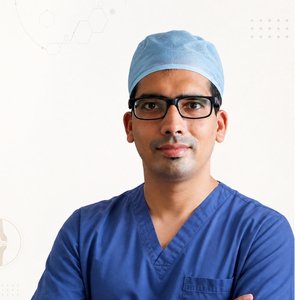
Dr. Vijay Bang specializes in advanced shoulder surgery with a focus on evidence-based clinical decision-making and precision surgical techniques. From preoperative planning to postoperative rehabilitation, every stage is guided by the objective of restoring shoulder function, relieving pain, and helping patients return to everyday activities with greater confidence.
Thoughtful Surgical Decisions
Every recommendation is based on clinical findings, imaging, shoulder function, and patient goals- not imaging alone.
Precision Throughout the Procedure
Careful implant selection, accurate positioning, and attention to surrounding tissues help support stable shoulder function and long-term outcomes.
Expertise in Complex Shoulder Conditions
Experienced in treating advanced arthritis, complex fractures, rotator cuff-related shoulder damage, and failed previous shoulder procedures.
Guiding Recovery Beyond Surgery
Regular follow-up, structured rehabilitation, and progressive recovery planning help patients regain strength, movement, and confidence after shoulder replacement.
EXPERIENCES
Following a complex shoulder fracture, I underwent shoulder replacement surgery. The treatment and follow-up were excellent, and I have regained far more movement than I expected.
The biggest difference was the confidence I felt throughout the process. From diagnosis to physiotherapy, everything was carefully planned and explained.
I had been living with constant shoulder pain for years. Today I can perform everyday activities without the discomfort that had become part of my routine.
The surgery was only one part of the journey. The rehabilitation guidance and follow-up appointments helped me recover steadily and regain confidence in my shoulder.
Frequently Asked Questions
This section answers frequent concerns about symptoms, diagnosis, treatment decisions, and recovery.
When is shoulder replacement recommended?
Shoulder replacement may be recommended when severe arthritis, complex fractures, or advanced rotator cuff damage continue to cause significant pain and restricted movement despite appropriate non-surgical treatment.
What is the difference between anatomic and reverse shoulder replacement?
An anatomic shoulder replacement is generally performed when the rotator cuff is functioning well. A reverse shoulder replacement is commonly considered when the rotator cuff is severely damaged and can no longer provide normal shoulder function.
How long does shoulder replacement surgery take?
The duration varies depending on the condition being treated and the complexity of the procedure. Your surgeon will discuss the expected operative time during the preoperative consultation.
How long does recovery take after shoulder replacement?
Recovery varies between individuals. Physiotherapy, regular follow-up, and adherence to rehabilitation play an important role in restoring shoulder strength and movement over the following months.
Will I be able to use my shoulder normally again?
Many patients experience significant pain relief and improved shoulder function after successful surgery and rehabilitation. The final outcome depends on the underlying condition, the type of replacement, and commitment to recovery.
How do I know if I need shoulder replacement surgery?
A detailed clinical examination, imaging studies, and discussion about your symptoms, daily activities, and previous treatments help determine whether shoulder replacement is the most appropriate option.
Reach out to understand your condition, explore the right care pathway, and receive guidance designed around your needs. Our team is here to help you take the next step with clarity and confidence.
Near Shivalik Satyamev, Vakil Saheb Bridge, Sardar Patel Ring Rd, Bopal, Ahmedabad, Gujarat 380058
Mon-Sat
10:00 am-07:00 pm
Emergency 24/7
Phone:
081292 72101
Email: vbrbang@gmail.com