
Reverse Shoulder Replacement in Ahmedabad
Helping Restore Shoulder Function When Conventional Shoulder Replacement Isn’t Suitable
Advanced Shoulder Replacement for Complex Shoulder Conditions
For some patients, shoulder pain is caused not only by arthritis but also by severe rotator cuff damage that makes a standard shoulder replacement ineffective. Reverse Shoulder Replacement is specially designed for these complex conditions, helping restore shoulder movement by allowing different muscles to take over the work of the damaged tendons. Dr. Vijay Bang offers expert Reverse Shoulder Replacement in Ahmedabad, providing comprehensive evaluation and advanced surgical care for patients with complex shoulder disorders.

Understanding Reverse Shoulder Replacement
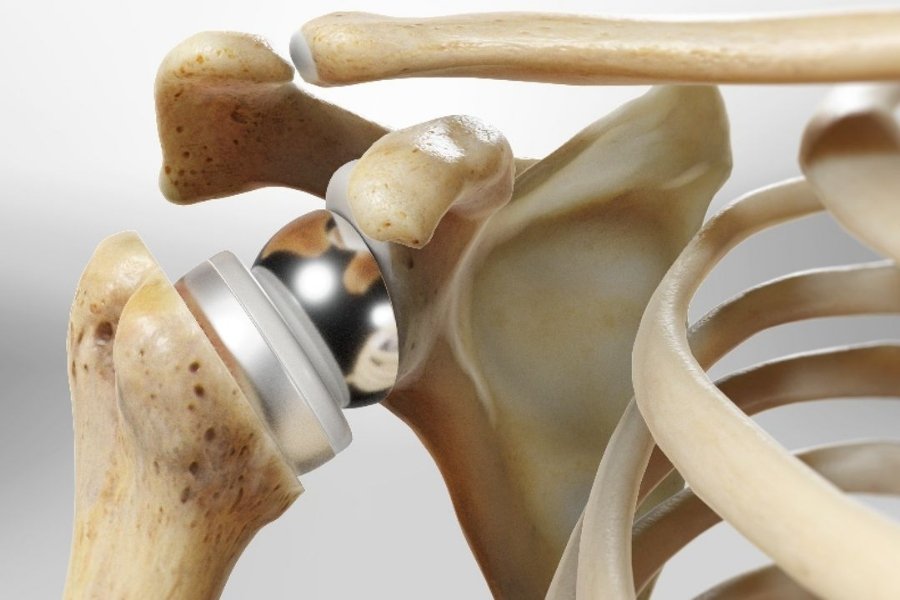
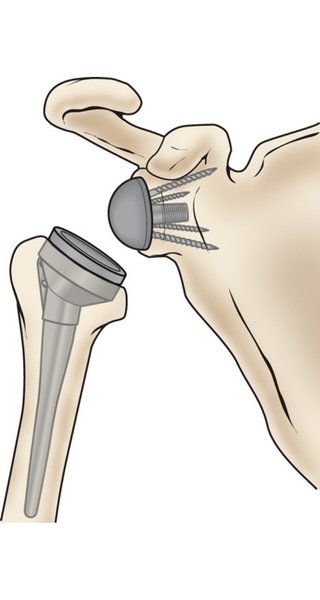
Unlike a conventional shoulder replacement, Reverse Shoulder Replacement changes the mechanics of the shoulder joint by reversing the position of the ball and socket. This allows the deltoid muscle to lift the arm even when the rotator cuff tendons are severely damaged or cannot be repaired.
When Reverse Shoulder Replacement Becomes the Right Choice
Reverse Shoulder Replacement is considered when shoulder pain and loss of function cannot be adequately treated with physiotherapy, medication, injections, or other surgical procedures. It is particularly beneficial when severe rotator cuff damage is present alongside arthritis or when previous surgeries have failed to restore shoulder function.
The decision depends on tendon quality, bone condition, shoulder movement, overall health, and functional goals rather than imaging findings alone.
Every patient undergoes a comprehensive assessment to determine whether Reverse Shoulder Replacement is the most appropriate solution for restoring shoulder function.
Could Reverse Shoulder Replacement Be Right for You?
The procedure is recommended only after careful evaluation confirms that conventional shoulder replacement or tendon repair is unlikely to provide satisfactory shoulder function.
Severe Rotator Cuff Damage
The shoulder tendons are too damaged to be repaired successfully.
Shoulder Arthritis with Tendon Failure
Arthritis combined with rotator cuff deficiency significantly limits shoulder movement.
Persistent Pain & Weakness
Pain continues despite medication, rehabilitation, injections, or previous treatment.
Difficulty Raising the Arm
Lifting the arm above shoulder level becomes increasingly difficult or impossible.
Failed Previous Shoulder Surgery
Earlier shoulder procedures have not restored comfort or function.
Complex Shoulder Fractures
Certain fracture patterns in older adults may benefit from Reverse Shoulder Replacement instead of fixation.
Is It the Right Time for Reverse Shoulder Replacement?
You Struggle to Lift Your Arm
Raising the arm for dressing, grooming, or reaching overhead has become increasingly difficult.

Pain Affects Everyday Life
Persistent shoulder pain interferes with sleep, work, and routine activities despite appropriate treatment.
The Rotator Cuff Cannot Be Repaired
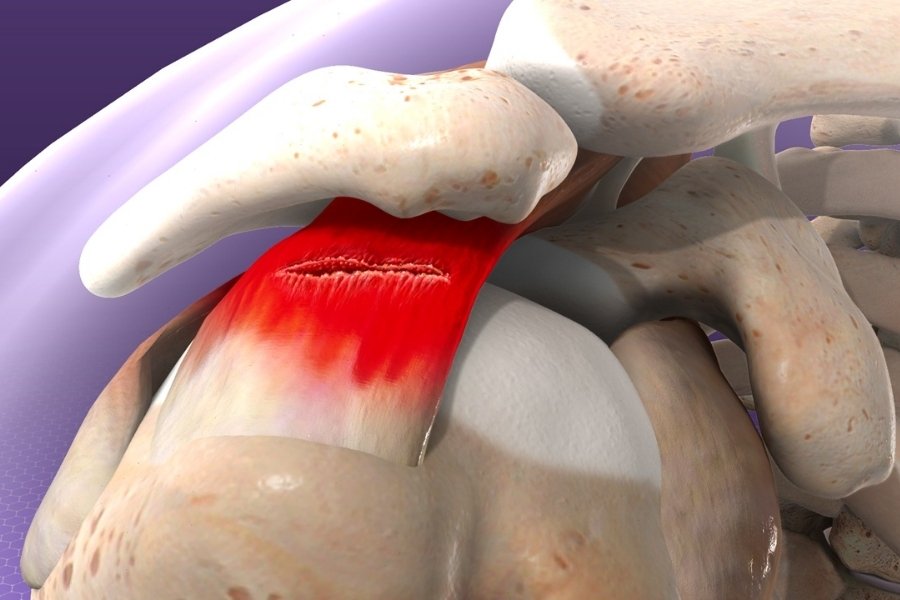
Clinical examination and imaging confirm that tendon repair is unlikely to restore normal shoulder function.
Previous Shoulder Surgery Has Not Helped
Earlier procedures have failed to provide lasting pain relief or functional improvement.
Modern Technology That Supports Reverse Shoulder Replacement
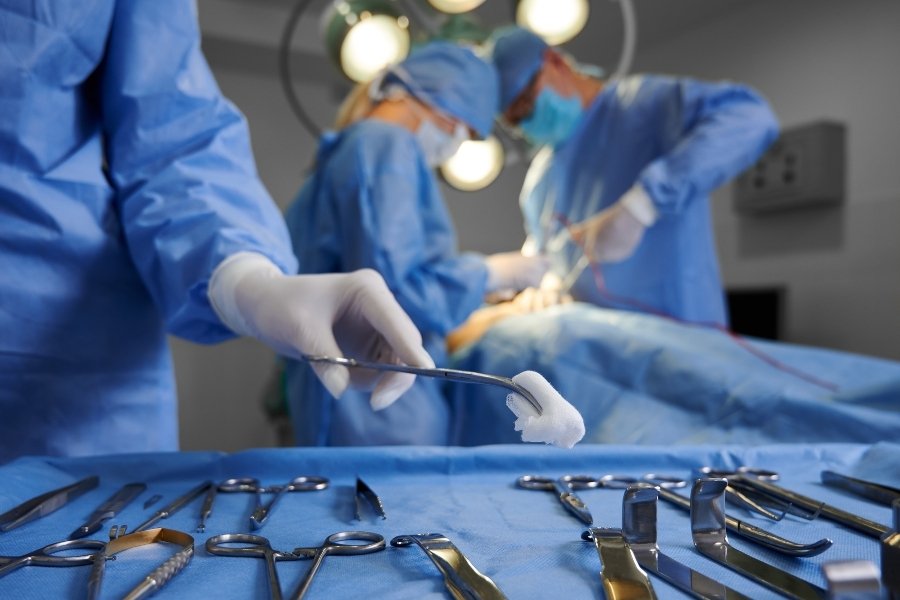
Reverse Shoulder Replacement requires careful planning, precise implant positioning, and a thorough understanding of shoulder biomechanics. Every stage of the procedure is designed to improve joint stability, restore function, and maximize the performance of the deltoid muscle when the rotator cuff can no longer do its job.
Meet Your Reverse Shoulder Replacement Surgeon in Ahmedabad
Dedicated Shoulder Replacement Expertise
Focused experience in treating complex shoulder arthritis, irreparable rotator cuff tears, cuff tear arthropathy, and revision shoulder conditions.
Precision Implant Positioning
Every procedure is carefully planned to achieve stable implant placement, balanced shoulder mechanics, and long-term joint function.
Evidence-Based Surgical Decisions
Treatment recommendations are based on shoulder function, tendon integrity, bone quality, imaging findings, and realistic recovery expectations.
Recovery Guided Beyond Surgery
Structured rehabilitation and regular follow-up help patients gradually regain shoulder movement, independence, and confidence after surgery.

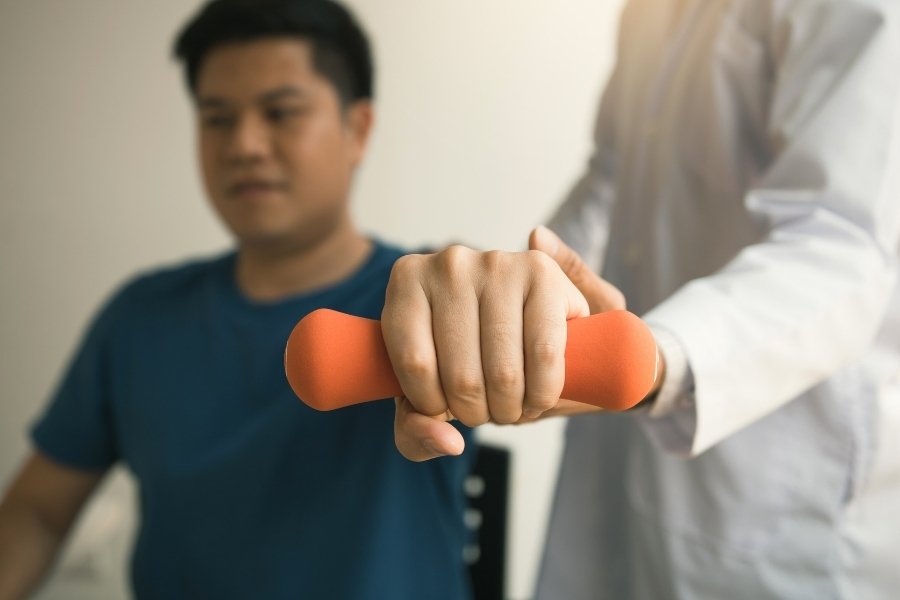
Recovery after Reverse Shoulder Replacement takes place gradually, allowing the shoulder to heal while adapting to its new mechanics. The initial weeks focus on protecting the joint, followed by progressive rehabilitation to improve shoulder movement and strengthen the deltoid muscle.
As recovery progresses, patients gradually regain the ability to perform everyday activities such as eating, dressing, grooming, and reaching comfortably. Recovery timelines vary depending on the underlying shoulder condition, overall health, and adherence to rehabilitation.
When severe arthritis and rotator cuff damage make everyday movement difficult, Reverse Shoulder Replacement can provide meaningful pain relief and improved shoulder function. The first step is understanding whether this specialized procedure is the right choice for your condition.
The Expertise Behind Reverse Shoulder Replacement Surgery
Reverse Shoulder Replacement is one of the most specialized procedures in shoulder surgery. Success depends on selecting the right patients, understanding complex shoulder biomechanics, accurately positioning the implant, and planning rehabilitation that helps patients safely regain shoulder function.
Dr. Vijay Bang specializes in Reverse Shoulder Replacement in Ahmedabad, treating patients with cuff tear arthropathy, irreparable rotator cuff tears, complex arthritis, and failed previous shoulder surgeries. Every treatment plan is built around restoring function, reducing pain, and helping patients return to comfortable everyday movement.
Focused Shoulder Replacement Expertise
Dedicated experience in managing complex shoulder arthritis and advanced shoulder replacement procedures.
Evidence-Based Implant Selection
The choice of implant and surgical technique is guided by the patient's anatomy, shoulder mechanics, and long-term functional goals.
Advanced Surgical Planning
Every procedure is carefully planned using clinical findings, imaging, bone quality, and functional requirements.
Recovery Guided at Every Stage
Structured rehabilitation and regular follow-up support safe healing, improved movement, and long-term shoulder function.
EXPERIENCES
I had severe shoulder arthritis and could barely lift my arm. After reverse shoulder replacement, everyday tasks like dressing and eating have become much easier, and the pain has reduced significantly.
I had been living with shoulder pain for years after a massive tendon tear. Dr. Vijay Bang explained why reverse shoulder replacement was the right option, and the improvement has been remarkable.
From my first consultation to the rehabilitation program, everything was explained clearly. My shoulder movement continues to improve, and I can now perform daily activities comfortably.
Previous treatments had not helped my shoulder. The surgery and rehabilitation have given me much better function, and I feel far more independent in my daily routine.
Frequently Asked Questions
This section answers frequent concerns about symptoms, diagnosis, treatment decisions, and recovery.
How is Reverse Shoulder Replacement different from standard shoulder replacement?
A conventional shoulder replacement relies on a healthy rotator cuff. Reverse Shoulder Replacement is designed for patients whose rotator cuff can no longer provide normal shoulder function.
How long does recovery take?
Recovery varies depending on the underlying condition, overall health, and rehabilitation progress. Most patients regain function gradually over several months with guided physiotherapy.
Will I need physiotherapy after surgery?
Yes. Rehabilitation is an important part of recovery and focuses on restoring shoulder movement, strengthening the deltoid muscle, and improving everyday function.
How long does a reverse shoulder replacement implant last?
Modern implants are designed for long-term durability. Longevity depends on factors such as bone quality, activity level, implant positioning, and regular follow-up care.
Will I regain full shoulder movement after surgery?
The goal is to reduce pain and restore functional movement for everyday activities. The degree of improvement varies depending on the condition of the shoulder before surgery and individual rehabilitation progress.
Will I be able to use my shoulder normally again?
Many patients experience significant pain relief and improved shoulder function after successful surgery and rehabilitation. The final outcome depends on the underlying condition, the type of replacement, and commitment to recovery.
Reach out to understand your condition, explore the right care pathway, and receive guidance designed around your needs. Our team is here to help you take the next step with clarity and confidence.
Near Shivalik Satyamev, Vakil Saheb Bridge, Sardar Patel Ring Rd, Bopal, Ahmedabad, Gujarat 380058
Mon-Sat
10:00 am-07:00 pm
Emergency 24/7
Phone:
081292 72101
Email: vbrbang@gmail.com
Whether you've been advised to undergo shoulder replacement or are seeking a second opinion for a complex shoulder problem, Dr. Vijay Bang provides a comprehensive evaluation to help you make a confident and informed treatment decision.