
Rotator Cuff Repair Surgery in Ahmedabad
Restoring Shoulder Strength, Stability, and Comfortable Movement
Advanced Arthroscopic Shoulder Repair
A torn rotator cuff can make simple activities like lifting the arm, reaching overhead, or sleeping on the affected side increasingly difficult. When a significant tear cannot heal with rehabilitation alone, rotator cuff repair surgery helps restore the tendon to its natural attachment and improve shoulder function. Dr. Vijay Bang offers expert Rotator Cuff Repair Surgery in Ahmedabad, using advanced arthroscopic techniques to repair torn tendons while preserving healthy surrounding tissues.
Understanding Rotator Cuff Repair
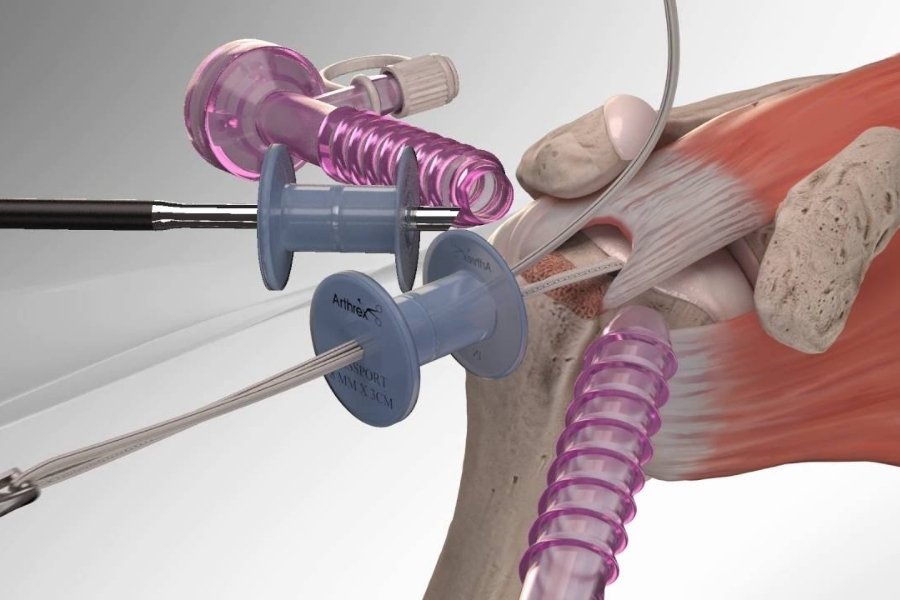
Rotator cuff repair is a minimally invasive arthroscopic procedure performed to reattach a torn tendon back to the bone. Rather than simply relieving pain, the objective is to restore shoulder strength, improve movement, and protect the joint from further tendon damage or muscle degeneration.
Anatomical Tendon Repair
Minimally Invasive Arthroscopy
Focused on Long-Term Shoulder Function

When Rotator Cuff Repair Becomes the Right Choice
Many rotator cuff tears improve with physiotherapy, medication, and activity modification. However, surgery may be recommended when a full-thickness tear, significant weakness, persistent pain, or loss of shoulder function continues despite appropriate conservative treatment.
The decision is based on several factors, including the size of the tear, tendon quality, age, activity level, shoulder strength, and long-term functional goals, not MRI findings alone.
The goal is to repair the tendon when doing so is likely to improve shoulder function, reduce pain, and preserve long-term joint health.
Could Rotator Cuff Repair Be Right for You?
Every tendon tear behaves differently. Surgery is considered only after understanding your symptoms, shoulder function, imaging findings, and the demands you place on your shoulder.
The tendon has completely detached from its attachment on the bone.
Difficulty lifting the arm or loss of strength continues despite rehabilitation.
Shoulder pain continues to interfere with sleep, work, or daily activities.
Everyday movements such as reaching, lifting, or overhead activities become increasingly difficult.
Sports, manual work, or regular overhead activity require a stronger, more stable shoulder.
Clinical evaluation and imaging suggest that delaying repair may reduce the chances of successful healing.
Is It the Right Time for Rotator Cuff Repair?
Shoulder Weakness Is Increasing
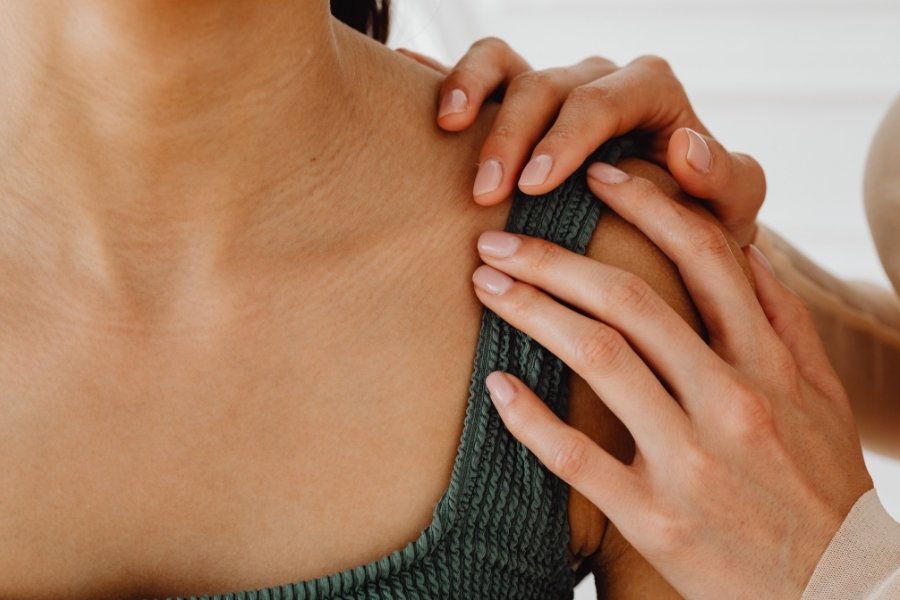
Lifting the arm or carrying routine objects becomes progressively more difficult.
Pain Continues Despite Treatment
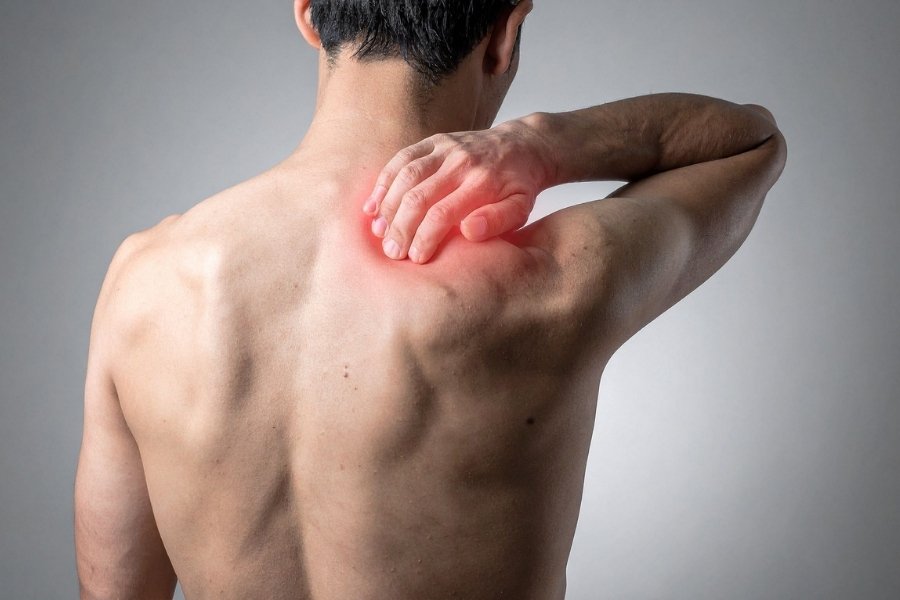
Medication, physiotherapy, and activity modification have not provided lasting relief.

The Tear Is Affecting Daily Life
Routine activities, work, sports, or sleep continue to be limited by shoulder symptoms.
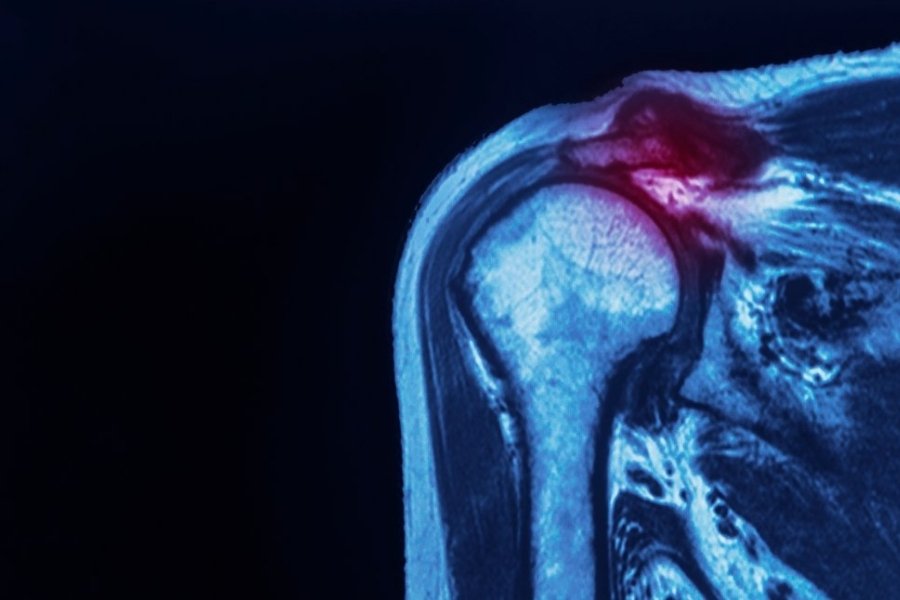
A Significant Tear Has Been Confirmed
Clinical examination and imaging suggest that surgical repair may improve long-term shoulder function.
Modern Technology That Supports Rotator Cuff Repair
Successful rotator cuff repair depends on precise tendon restoration rather than simply closing the tear. Advanced arthroscopic techniques provide excellent visualization of the shoulder, allowing accurate repair while preserving healthy muscles, tendons, and surrounding tissues.
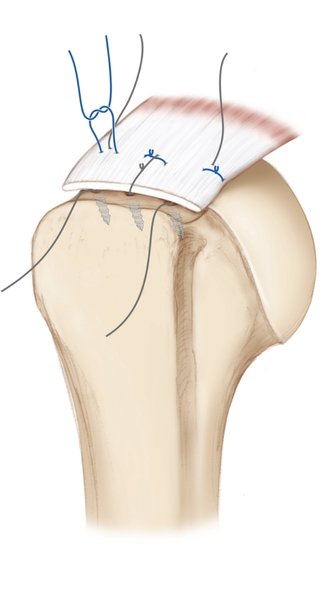
High-Definition Arthroscopic Visualization
Advanced Suture Anchor Fixation
Precision Tissue Handling
Meet Your Rotator Cuff Repair Surgeon in Ahmedabad
Dedicated Shoulder Surgery Expertise
Focused experience in treating rotator cuff tears, shoulder impingement, instability, and other complex shoulder conditions through advanced arthroscopic techniques.
Anatomical Tendon Restoration
Every repair is planned to restore the tendon to its natural attachment while preserving healthy shoulder structures whenever possible.
Evidence-Based Clinical Decisions
Recommendations are based on shoulder function, tendon quality, imaging findings, activity level, and long-term recovery goals rather than the MRI alone.
Recovery Guided Beyond Surgery
Regular follow-up and structured physiotherapy help restore movement, rebuild strength, and support a safe return to work, sports, and daily activities.

Recovery after rotator cuff repair takes place in carefully planned stages. The repaired tendon needs time to heal securely before shoulder strength and movement are gradually restored through supervised rehabilitation.
A shoulder sling is usually required during the initial healing phase, followed by progressive physiotherapy that focuses on improving mobility, rebuilding muscle strength, and restoring shoulder function. Recovery timelines vary according to the size of the tear, tendon healing, and individual rehabilitation progress.
Persistent shoulder pain and weakness can affect every aspect of daily life. When a rotator cuff tear requires surgery, timely repair can help restore strength, improve shoulder function, and protect the joint from further damage.
The Expertise Behind Rotator Cuff Repair
Repairing a rotator cuff tear is not simply about closing the tendon. Long-term success depends on choosing the appropriate time for surgery, understanding the pattern of the tear, restoring normal shoulder mechanics, and guiding recovery through every stage of rehabilitation.
Dr. Vijay Bang specializes in Rotator Cuff Repair Surgery in Ahmedabad, performing advanced arthroscopic shoulder procedures for partial and full-thickness tendon tears. Every repair is carefully planned to restore tendon function while preserving healthy shoulder structures whenever possible.
Expertise in Shoulder Surgery
Focused experience in treating rotator cuff tears, shoulder instability, impingement, and other complex shoulder conditions.
Evidence-Based Surgical Planning
Every repair strategy is guided by tendon quality, tear pattern, shoulder function, and long-term recovery goals.
Advanced Arthroscopic Repair
Minimally invasive techniques allow accurate tendon repair while reducing soft tissue disruption.
Structured Rehabilitation Guidance
Recovery continues well beyond surgery through progressive physiotherapy and regular clinical follow-up.
EXPERIENCES
I couldn't lift my arm without pain, and even sleeping was difficult. After arthroscopic rotator cuff repair and rehabilitation, my shoulder feels stronger, and I can comfortably perform my daily activities again.
The surgery was explained in detail, and I always knew what to expect during recovery. The physiotherapy program helped me steadily regain movement and shoulder strength.
I was worried about needing surgery, but Dr. Vijay Bang explained why repairing the tendon early would give me a better outcome. The recovery has been gradual but very rewarding.
My shoulder weakness was affecting my work. After the surgery and rehabilitation, I have regained confidence in using my arm without constant discomfort.
Frequently Asked Questions
This section answers frequent concerns about symptoms, diagnosis, treatment decisions, and recovery.
Do all rotator cuff tears require surgery?
No. Many partial tears improve with physiotherapy and other non-surgical treatments. Surgery is recommended only when the tear, symptoms, and shoulder function indicate that repair is likely to provide better long-term results.
How is arthroscopic rotator cuff repair performed?
The procedure is performed through small incisions using a high-definition camera and specialized instruments to repair the torn tendon with minimal disruption to surrounding tissues.
How long does recovery take after rotator cuff repair?
Recovery varies depending on the size of the tear and tendon healing. Most patients require several months of structured rehabilitation before returning to unrestricted activities.
Will I need physiotherapy after surgery?
Yes. Physiotherapy is an essential part of recovery and helps restore shoulder movement, strength, flexibility, and overall function while protecting the repaired tendon.
When can I return to work or sports?
The timeline depends on the type of work, sporting activity, tendon healing, and rehabilitation progress. Your return is guided by shoulder strength, movement, and clinical recovery rather than time alone.
Can a rotator cuff tear happen again after surgery?
While many repairs heal successfully, recovery also depends on tendon quality, following rehabilitation instructions, and avoiding excessive strain during the healing period.
Reach out to understand your condition, explore the right care pathway, and receive guidance designed around your needs. Our team is here to help you take the next step with clarity and confidence.
Near Shivalik Satyamev, Vakil Saheb Bridge, Sardar Patel Ring Rd, Bopal, Ahmedabad, Gujarat 380058
Mon-Sat
10:00 am-07:00 pm
Emergency 24/7
Phone:
081292 72101
Email: vbrbang@gmail.com
Whether you've recently been diagnosed with a tendon tear or are considering surgery after unsuccessful non-surgical treatment, Dr. Vijay Bang provides a detailed evaluation to help you make an informed treatment decision.